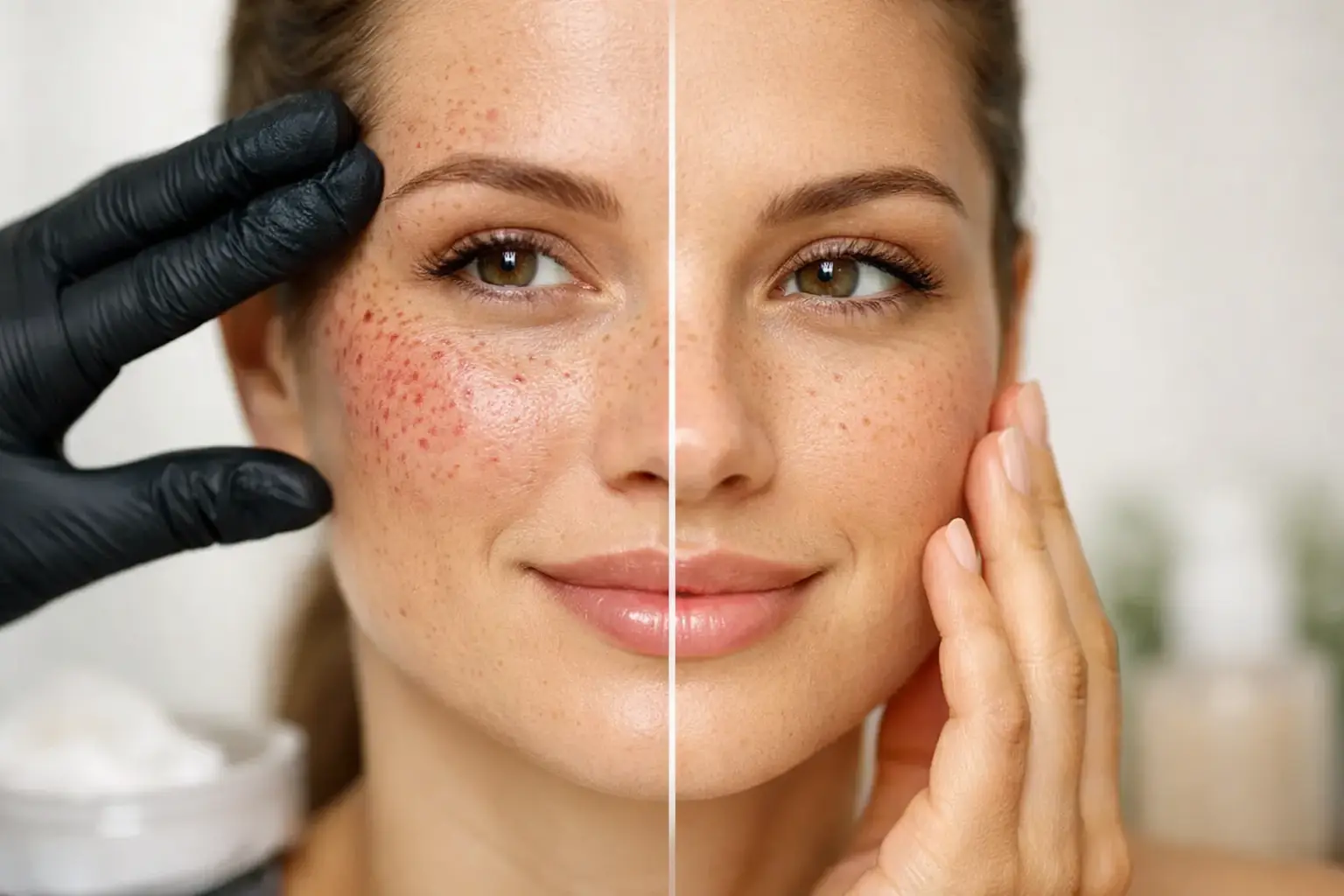
What to Expect From the Freckle Tattoos Healing Process
Fresh freckle tattoos can look surprisingly bold at first. The tiny dots that will eventually read as soft, sun-kissed pigment may appear darker, warmer, and more defined than you pictured on day one. That change is not a sign that something has gone wrong. The freckle tattoos healing process is designed to move from visible initial pigment to a lighter, more natural-looking result as the skin recovers.
For many clients, freckles are not about adding a trend. They are about bringing warmth, youthfulness, and a little more personality to the face without changing what already makes them recognizable. The most beautiful healed results look as though they belong there. Reaching that subtle finish takes thoughtful placement, appropriate pigment selection, careful attention to your Fitzpatrick skin type, and disciplined aftercare.
Why Healing Changes the Look of Your Freckles
Freckle tattooing is a form of cosmetic tattooing in which pigment is placed precisely into the skin to create the appearance of natural freckles. Immediately after treatment, the skin may be slightly red or tender, which can make each freckle look more pronounced. The pigment itself also sits closer to the surface during the earliest stage of healing.
As the skin renews, it creates a light protective layer over the treated area. This can temporarily make freckles look darker, muted, or slightly dry before they soften. Once that layer naturally sheds and the pigment settles, the color becomes more transparent and skin-like.
There is an important trade-off here: pigment placed too lightly may heal too faintly, while pigment placed too deeply or too densely may not achieve the delicate effect most clients want. An experienced permanent makeup artist plans for healing, not just for how the freckles appear the moment you leave the treatment room.
Freckle Tattoos Healing Process: A Practical Timeline
Every complexion and immune response is different, so no calendar can predict your exact result. Skin type, skincare habits, sun exposure, medications, and how closely you follow aftercare all influence healing. Still, this general timeline can help you know what is normal.
Days 1-3: Darker, Crisper, and Fresh
Your freckles will usually look darker and more distinct during the first few days. Mild redness, warmth, or sensitivity can occur, particularly if your skin is reactive. You may also notice a small amount of clear fluid or pigment residue shortly after the appointment. This is part of the skin’s normal response to a controlled treatment.
Keep the area clean and follow the specific instructions provided by your artist. Avoid touching the freckles unless your hands are freshly washed. Do not apply makeup, active skincare products, or heavy creams over the treated area unless they have been specifically approved for your aftercare plan.
Days 4-7: Dryness and Light Flaking
As healing progresses, freckles often look darker or slightly more textured. Some clients experience pinpoint flaking or a faint, dry film over individual dots. This is common, but it is also the stage that requires patience.
Do not scratch, scrub, exfoliate, or pick at the skin. Pulling away a flake before it is ready can remove pigment and create uneven healing. Let the skin release naturally, even if the freckles temporarily look patchy or less polished than you expected.
This is also the time to avoid activities that introduce excess moisture, heat, bacteria, or friction. Skip swimming pools, hot tubs, saunas, steam rooms, intense workouts, and direct sunlight while your artist advises. Chicago-area weather can be unpredictable, but a hat and shade are still better choices than exposing healing skin to sun.
Weeks 2-4: The Softening Stage
Once flaking resolves, freckles may seem lighter than anticipated. Some can appear to fade almost completely before their final color returns. This is often called the “ghosting” phase, and it can be unsettling if you are not expecting it.
The skin is still regenerating beneath the surface. Pigment needs time to stabilize, and its final tone cannot be judged immediately after visible peeling ends. Continue to treat the area gently. Resume your skincare only according to your aftercare instructions, especially if you use retinol, acids, benzoyl peroxide, or prescription products.
Weeks 4-8: Settled Color and Touch-Up Planning
By about four to eight weeks, the freckles typically reveal a more accurate healed appearance. They should look softer, more integrated with your natural skin tone, and less sharply defined than they did at the first appointment.
A perfect healed result is not always the goal after one session. Freckle tattoos are intentionally delicate, and skin can retain pigment differently from one area of the face to another. A follow-up appointment may be recommended to balance areas that healed lighter, refine placement, or add selective depth while preserving a natural finish.
Aftercare That Protects Your Result
Aftercare is not an optional extra. It is part of the procedure and directly affects pigment retention, comfort, and the polished result you want to see in the mirror.
For the first stage of healing, keep your routine simple. Cleanse only as instructed, pat rather than rub, and use only the aftercare product recommended by your provider. Avoid makeup on the treated area until the skin has healed enough for your artist to clear it. Makeup brushes, sponges, and fingers can introduce irritation or bacteria to compromised skin.
Sun protection matters long after the initial healing period. UV exposure can cause tattoo pigment to fade or shift over time, and it can also make the freckles look less even against the surrounding complexion. Once your skin has fully healed, wear broad-spectrum sunscreen daily and consider hats or shade during prolonged outdoor exposure.
Treatments that accelerate cell turnover can also fade cosmetic tattooing. Chemical peels, laser treatments, microneedling, dermaplaning, strong exfoliants, and certain acne or anti-aging products should be discussed before use around tattooed freckles. This does not mean you can never enjoy professional skincare. It means your skin plan should respect your cosmetic tattoo investment.
What Can Affect How Freckles Heal
No two faces heal identically. Oily skin may retain or soften pigment differently than dry skin. Mature skin, highly sensitive skin, and skin with active inflammation may need a more conservative approach. A history of cold sores, allergies, autoimmune conditions, recent cosmetic procedures, or medications that affect healing should always be disclosed before treatment.
Skin tone also deserves individual consideration. A skilled artist evaluates undertones and Fitzpatrick skin type rather than using a one-size-fits-all freckle color. A pigment that looks believable on one client may heal too warm, too cool, or too visible on another. Natural-looking results come from restraint, careful color theory, and a plan built around your complexion.
It is equally important to be honest about lifestyle. If you spend significant time in the sun, use frequent exfoliation, or regularly receive facial treatments, your freckles may fade sooner and need maintenance. That is not a failure of the treatment. It is simply how skin turnover, UV exposure, and cosmetic tattoo pigment interact.
When to Contact Your Provider
Some tenderness, redness, dryness, and small flakes are expected. Increasing pain, spreading redness, significant swelling, pus-like drainage, fever, or a rash that worsens should not be ignored. Contact your treatment provider promptly, and seek medical care when symptoms suggest a possible infection or allergic reaction.
A qualified artist should also be available to answer normal healing questions. At Fancy Shmancy, treatment planning includes clear aftercare guidance because confidence comes from knowing what is expected, what needs attention, and when to simply give your skin time.
Give Your Skin Permission to Settle
The temptation to judge freckles in the first week is understandable, especially when you chose them to feel more like yourself. But healing is where the refinement happens. Protect the area, resist picking and over-treating, and allow the color to settle at its own pace. A little patience is often what turns fresh dots into the soft, believable freckles that make people wonder whether you were simply born with them.
Author: Liana Reznik