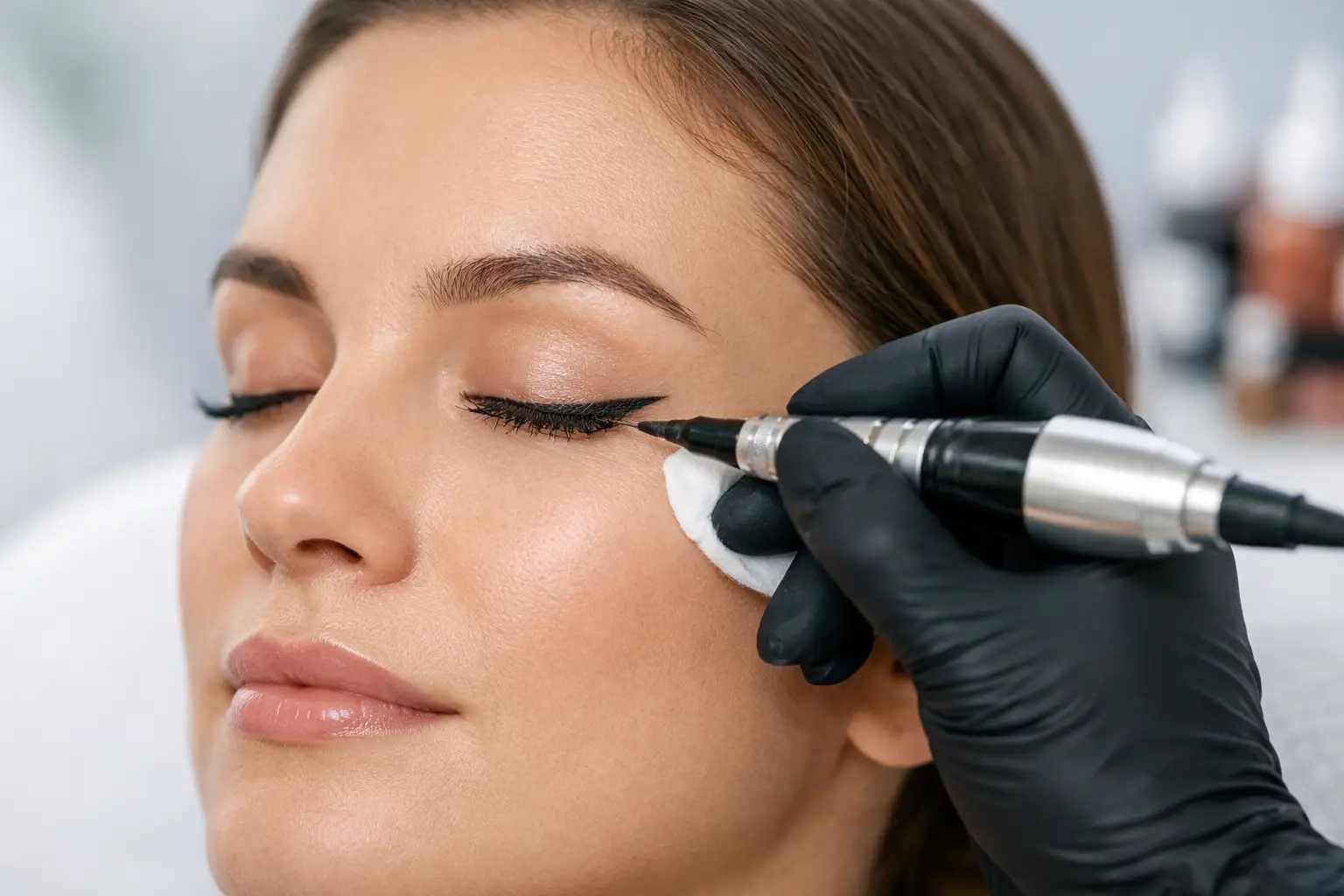
Is Permanent Eyeliner for Sensitive Eyes Safe?
For someone whose eyes water at a new mascara, burn after makeup removal, or react to seasonal allergies, the idea of permanent eyeliner can feel equal parts appealing and intimidating. Permanent eyeliner for sensitive eyes can be a thoughtful option, but it is never a one-size-fits-all procedure. The right result begins with an honest assessment of what “sensitive” means for you, a conservative treatment plan, and a practitioner who treats the eye area with the precision it deserves.
A soft lash-line enhancement can create definition without the daily rubbing, pencils, removers, and product buildup that bother many clients. Yet permanent makeup is still a tattooing procedure performed near a delicate area of the face. Comfort, safety, skin health, and natural-looking artistry should all guide the decision.
What Sensitive Eyes Can Actually Mean
Sensitive eyes are not a single diagnosis. For one person, sensitivity means watery eyes during allergy season. For another, it may mean dry eye symptoms, contact dermatitis from cosmetics, frequent styes, blepharitis, lash adhesive reactions, or a history of eye surgery. The cause matters because it changes both candidacy and how the procedure should be planned.
Some clients have sensitive eyelid skin but healthy eyes. Others have no skin irritation, yet their eyes tear easily when touched or exposed to bright light. Both situations call for a careful conversation before scheduling, but they do not automatically mean permanent eyeliner is off the table.
A qualified artist should ask about eye conditions, allergies, medications, prior reactions to pigments or topical products, contact lens use, and recent cosmetic or medical treatments around the eyes. If there is an active concern, such as redness, swelling, an eye infection, an active stye, or a flare of blepharitis, the procedure should be postponed. A healthy treatment area is the starting point for a refined result.
Is Permanent Eyeliner for Sensitive Eyes a Good Choice?
It depends on the source and severity of the sensitivity. Clients who are prone to mild watering or irritation from conventional makeup may find that a subtle eyeliner tattoo reduces their daily exposure to the products that cause discomfort. A delicate lash enhancement, placed between and directly along the lashes, often provides definition without the look or feel of a dramatic makeup line.
However, permanent eyeliner may not be appropriate when symptoms are ongoing, poorly controlled, or medically unexplained. Chronic dry eye, recurrent eyelid inflammation, autoimmune-related skin or eye concerns, significant allergy history, or recent eye surgery deserve additional consideration. In some cases, clearance from an ophthalmologist, dermatologist, or treating physician may be the most responsible next step.
The word “permanent” also deserves clarity. Cosmetic eyeliner tattooing is long-lasting, but pigment naturally softens and fades over time. Skin type, immune response, sun exposure, skincare, and lifestyle all influence retention. A conservative approach is especially wise for sensitive clients because adding depth later is far easier than trying to soften an overly bold line.
The Best Style Is Often the Softest One
For sensitive eyes, a thin upper lash-line enhancement is often preferable to a thick wing, heavy liner, or lower-lid tattoo. It can make lashes appear fuller and eyes look more awake without crowding the eye area. This style also tends to heal more discreetly and suits clients who want polished definition rather than an obvious makeup effect.
Eye shape, skin texture, lash density, Fitzpatrick skin type, and everyday makeup habits should influence the design. A treatment that looks beautiful on a reference photo may not be the safest or most flattering choice for every client. The goal is not to copy a trend. It is to create a result that feels like you on your best day.
What a Careful Consultation Should Cover
A consultation is where expertise becomes visible. Before any pigment is placed, your provider should discuss your medical history, eye sensitivity, medications, current skincare, and desired style. They should also examine the eyelid area and explain the healing process in practical terms.
Be candid about anything that affects your eyes or skin, even if it seems unrelated. This includes contact lens discomfort, eczema near the eyes, lash extension reactions, glaucoma medications, prior cosmetic tattooing, laser treatments, and use of prescription retinoids or blood-thinning medications. Never stop prescribed medication on your own. If a medication could affect treatment or healing, follow the guidance of your prescribing clinician.
A knowledgeable provider may recommend delaying treatment if the timing is not ideal. That is not a setback. It is a sign that your comfort and result are being protected. The most beautiful cosmetic tattoo is one performed when the skin and eyes are calm, stable, and ready.
Preparing for an Eyeliner Appointment
The days before your appointment should be quiet for the eye area. Follow your provider’s specific pre-care instructions, as recommendations can vary based on your health history and chosen technique. In general, arrive with clean eyes and no eye makeup, lash serum, strip lashes, or lash extensions unless your provider has advised otherwise.
Contact lens wearers are usually asked to remove lenses before treatment and avoid wearing them during the initial healing period. It is wise to bring glasses to the appointment and plan ahead for work, driving, or social events if you normally rely on contacts.
Avoid trying a new eye cream, mascara, lash adhesive, or makeup remover right before your procedure. A reaction to a new product can create irritation that complicates treatment plans. If you have a known history of cosmetic allergies, raise it during your consultation rather than assuming a product that works elsewhere on the face will be suitable around the eyes.
What to Expect During Healing
Immediately after permanent eyeliner, mild swelling, tenderness, tightness, and watering can occur. These reactions are often temporary, but every client heals differently. Sensitive eyes may water more easily during and shortly after the appointment, which is one reason an experienced, steady technique and a calm environment matter.
The color will usually appear stronger at first, then soften as the area heals. Small flakes or dry skin can develop along the lash line. Do not pick, rub, or scrub the area. Let the skin complete its natural healing process, and follow aftercare instructions exactly.
During healing, protect the area from makeup, pools, hot tubs, steam rooms, excessive sweating, and direct water pressure as directed by your provider. Skip lash lifts, extensions, and other eye-area treatments until healing is complete. These temporary adjustments help protect pigment retention and reduce the chance of unnecessary irritation.
Contact your medical provider promptly if you experience symptoms that feel outside the expected healing process, including worsening pain, significant swelling, spreading redness, discharge, vision changes, or signs of an allergic reaction. Cosmetic tattooing should enhance your confidence, never require you to dismiss symptoms that concern you.
Why Technique and Hygiene Matter So Much
The eye area leaves no room for shortcuts. Sterile, single-use supplies, appropriate pigment selection, measured depth, and controlled technique all matter. So does the ability to recognize when a client should wait, seek medical input, or choose a different service.
An experienced permanent makeup professional understands that a lighter hand is not simply an aesthetic preference. Near the lash line, it is part of respecting the skin, the anatomy, and the client’s comfort. A rushed appointment or a bargain treatment can carry a different kind of cost when the procedure involves your eyes.
At Fancy Shmancy, this standard of care is rooted in detailed planning, advanced knowledge of skin anatomy, and a commitment to results that look refined rather than overdone. Your treatment should feel personal, not procedural.
A Thoughtful Choice Can Feel Like Freedom
Sensitive eyes do not automatically disqualify you from permanent eyeliner. They simply ask for a more careful path: clear communication, realistic expectations, conservative design, and a provider with the clinical judgment to put your well-being first. When your eyes are healthy and your plan is tailored to you, soft lash-line definition can offer the ease of waking up looking polished without relying on the products that have never felt good in the first place.
Author: Liana Reznik