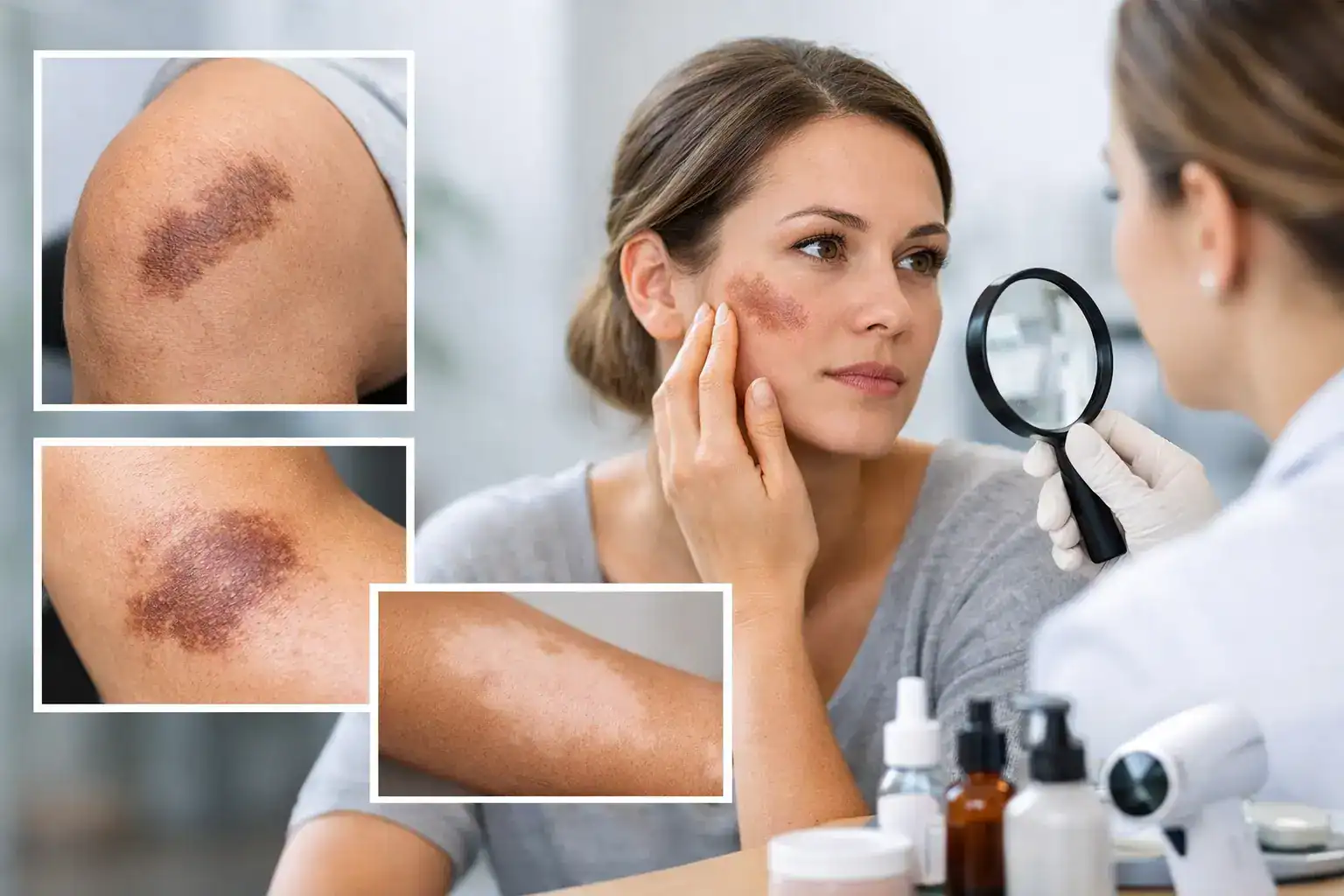
Post Injury Pigmentation Examples and Options
A scar can be fully healed yet still draw your eye every time you look in the mirror. It may appear darker than the surrounding skin, noticeably lighter, reddish, or uneven in several ways at once. These post injury pigmentation examples show why recovery is not always only about closing a wound. For many people, restoring a more consistent skin tone is part of feeling comfortable and confident in their body again.
Skin color changes after an accident, burn, surgery, cut, abrasion, or other trauma are common. They can also be unpredictable. The appearance of a healed area depends on the depth of the injury, how the wound healed, sun exposure, skin tone, inflammation, medications, and individual pigment response. A thoughtful evaluation matters because not every color change should be treated in the same way.
What Post-Injury Pigmentation Can Look Like
Pigment cells can become overactive, underactive, or unevenly distributed after skin trauma. A single injury may leave more than one type of discoloration, especially when there is scarring or grafted skin involved.
Dark marks after healing
Post-inflammatory hyperpigmentation occurs when the skin produces excess melanin after inflammation or injury. It can look tan, brown, gray-brown, or nearly black depending on the person’s natural complexion and Fitzpatrick skin type. A healed scrape on the knee, a facial cut, or a surgical scar may leave a dark mark that is more visible after sun exposure.
This is one of the most familiar post injury pigmentation examples, particularly in medium to deep skin tones. Although some dark marks fade gradually, others remain long after the injury itself has healed. The right approach depends on whether the skin is stable, whether the mark is still changing, and whether there is scar texture beneath the color.
Light or white areas of skin
Hypopigmentation happens when an injured area has less pigment than the surrounding skin. It may appear lighter, pale pink, white, or almost translucent. Burns, deep cuts, surgeries, and certain healing complications can all affect melanocytes, the cells that produce pigment.
A light scar can be especially noticeable in summer, when the surrounding skin tans while the scar does not. This difference can be emotionally difficult even when the scar itself is flat, painless, and medically healed. Medical pigmentation may sometimes help visually blend a stable, lightened area into the surrounding skin tone.
Red, pink, purple, or brown scars
Fresh scars often look pink, red, or purple because healing tissue has increased blood flow. In deeper skin tones, healing scars may look deep red-brown, purple-brown, or gray. This is not always a permanent pigment change. Vascular color can take many months to settle, and tattooing too early can interfere with the best possible result.
As a scar matures, redness may fade while hyperpigmentation or hypopigmentation becomes more apparent. That is why patience is not a passive part of the process. It gives a qualified practitioner a clearer view of what the skin will need.
Uneven color within a burn, graft, or traumatic scar
More extensive injuries can create a patchwork effect: a lighter center, darker outer edges, areas of redness, and changes in texture. Skin grafts may also heal with a different color and sheen than the surrounding area. These cases call for a highly individualized plan, not a one-size-fits-all pigment choice.
When a Color Change Needs Time, Not Camouflage
The desire to cover a scar quickly is understandable. Still, medical pigmentation is not appropriate for every newly healed injury. Skin needs to be fully closed, stable, and free of infection, inflammation, and active treatment concerns before any restorative tattooing is considered.
Many specialists prefer to wait until a scar has matured, often at least 6 to 12 months after the injury or surgery. The timeline varies. A thin surgical scar may settle sooner than a burn scar, a hypertrophic scar, or an area treated with radiation. Your surgeon, dermatologist, or treating medical provider should guide the medical side of healing.
Seek medical evaluation for a scar that becomes increasingly painful, warm, swollen, itchy, raised, open, or rapidly changes color. Those signs deserve medical attention rather than cosmetic camouflage. Similarly, anyone with a history of keloid scarring, uncontrolled diabetes, immune compromise, active skin conditions, or recent chemotherapy should discuss timing and suitability with their medical team.
Post Injury Pigmentation Examples That May Benefit From Medical Tattooing
Once a scar is mature and a client is medically cleared, paramedical tattooing can be an option for visual blending. The goal is not to erase the history of an injury or promise invisible skin. It is to reduce contrast thoughtfully, so the area is less likely to be the first thing you notice.
Common situations include:
- A pale, flat surgical scar that stands out against naturally warmer or deeper surrounding skin.
- A stable burn scar with areas of lost pigment and enough healthy skin structure to safely hold color.
- A healed traumatic scar from a fall, accident, or laceration that has an uneven light or dark appearance.
- Skin-tone variation following reconstruction, including areas around the breast where 3D areola and nipple tattooing can restore visual continuity.
Scar camouflage uses custom-blended pigments rather than a standard “flesh color.” A skilled practitioner studies undertones, depth of color, texture, and how the skin changes in different lighting. A pigment that appears perfect in the treatment room may heal too warm, cool, light, or dark if those variables are not considered carefully.
This work is particularly nuanced for clients with deeper complexions. Color matching must account for the natural range within the skin, not just the shade beside the scar. It also requires an understanding of how trauma, scar tissue, and Fitzpatrick skin type can affect pigment retention and healing.
What Medical Pigmentation Can and Cannot Change
Medical pigmentation can soften contrast. It may help a pale scar look less stark, balance patches of lost color, create the illusion of a more consistent skin tone, or restore a realistic areola after surgery. With scalp micropigmentation, it can also create the appearance of density in areas affected by hair loss or scarring.
What it cannot do is flatten raised scar tissue, remove indentations, restore skin sensation, or guarantee that every mark disappears. A scar’s texture catches light differently from unaffected skin, even when the color is carefully matched. In some cases, scar revision, laser treatment, microneedling, or other medical treatments may be recommended before camouflage is considered.
Pigment also heals softly and evolves over time. More than one session is often needed, particularly when treating a large area, complex color loss, or tissue with inconsistent retention. This gradual approach is safer and gives the practitioner room to assess how your skin receives the pigment before adding more.
A Careful Plan Creates the Most Natural Result
At Fancy Shmancy, restorative pigmentation begins with a consultation that respects both the medical history and the personal meaning behind the scar. Clients are asked about the cause of the injury, date of healing, medical care, medications, skin sensitivity, previous treatments, and desired outcome. Clear photos may help with an initial virtual conversation, but an in-person assessment is often valuable for evaluating texture and undertone.
The treatment plan should include realistic color expectations, possible session requirements, pre-care instructions, and aftercare that protects the healing area. Sun protection is especially important. UV exposure can deepen surrounding skin, alter the contrast around a scar, and affect the longevity of the final result.
During treatment, the practitioner builds color in fine layers rather than trying to force a perfect match in one appointment. This measured technique supports a softer transition between scar tissue and healthy skin. The best results usually look quiet and believable, not heavily covered.
If an injury has changed how you feel in your own skin, you do not have to minimize that experience. A mature scar can be a reminder of strength, and it can also be something you want to make less visible. A compassionate consultation can help you understand what is possible, what needs more healing time, and which next step supports your confidence most honestly.
Author: Liana Reznik