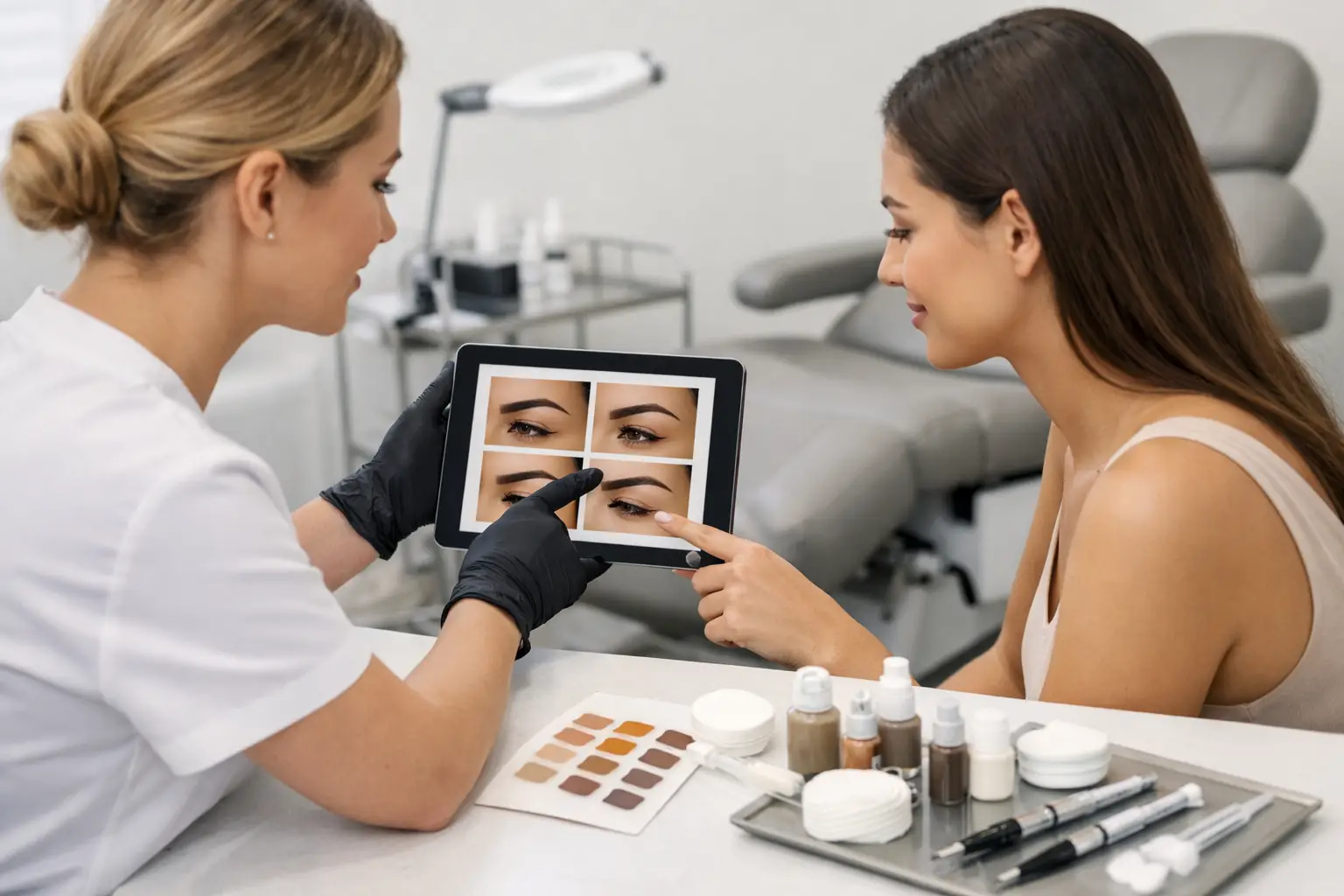
Stretch Mark Camouflage Tattoo Results Explained
A stretch mark may be a reminder of pregnancy, weight changes, growth, or a body that has simply lived a full life. It does not need to be something you feel pressured to erase. For clients who want the area to look more even and less visually distracting, stretch mark camouflage tattoo results can be remarkably natural when the skin, pigment, and healing process are assessed with care.
This is not a standard body tattoo and it is not a one-size-fits-all beauty service. It is a specialized form of medical pigmentation that uses custom-blended pigment to reduce the contrast between stretch marks and the surrounding skin. The goal is visual continuity: skin that looks more balanced in everyday life, without an obvious tattooed appearance.
What Stretch Mark Camouflage Can and Cannot Change
Stretch mark camouflage works by depositing pigment into stretch marks that are lighter than the surrounding skin. This helps soften the color difference that makes mature stretch marks stand out, especially across the abdomen, hips, thighs, buttocks, breasts, arms, or lower back.
The treatment does not remove stretch marks, erase their texture, or change loose skin. If a stretch mark is indented, raised, wide, or crepey, its texture may still be visible up close or when light hits it from an angle. What changes is the contrast. Once that contrast is reduced, many clients find that the area attracts far less attention.
That distinction matters. The strongest results are not about promising perfectly untouched skin. They are about creating a softer, more cohesive appearance that helps you feel more comfortable in swimwear, fitted clothing, intimate settings, and your own reflection.
Stretch Mark Camouflage Tattoo Results: What to Expect
Immediately after treatment, the pigment may look warmer, darker, or more noticeable than the final healed result. Mild redness and tenderness are common, and the treated area can appear more pronounced before it begins to settle. This early stage is temporary, so it is not the moment to judge the outcome.
Over the following weeks, the skin heals and the pigment softens into a more natural-looking shade. Camouflaged stretch marks generally become less visible rather than disappearing completely. The result should blend gently with the surrounding skin instead of creating a flat block of color.
Most clients need more than one session. The number depends on the size of the area, the depth and age of the stretch marks, skin tone, pigment retention, and how evenly the skin heals. A touch-up appointment is often part of the process because healed skin reveals where additional layering or subtle color adjustment will create a more refined finish.
Results also look different in different lighting. In soft indoor light, the improvement may appear especially smooth. Direct sunlight, flash photography, or a close-up mirror inspection can reveal texture that camouflage cannot remove. A qualified specialist will discuss this openly before treatment so your expectations are grounded in what pigmentation can truly accomplish.
Why Mature Stretch Marks Usually Respond Best
Color camouflage is generally most appropriate for mature stretch marks that have healed into a pale, silvery, or skin-toned shade. These marks are typically stable, meaning they are no longer red, purple, inflamed, itchy, or actively changing.
Newer stretch marks need time. Pigmenting unstable skin can lead to unpredictable healing and may not produce the even result you want. For the same reason, treatment is usually postponed if there is active irritation, infection, sunburn, open skin, or a current flare of a skin condition in the area.
A thorough consultation should include a close evaluation of the marks, surrounding skin, health history, medications, sun exposure, and previous treatments. Skin tone is also a central consideration. Knowledge of Fitzpatrick skin types and pigment behavior helps a practitioner choose an approach that respects both the skin’s undertone and its healing response.
Skin Tone and Pigment Matching Matter
Camouflage pigment is mixed specifically for your skin. It is not simply “beige” or “tan.” Skin contains warm, cool, neutral, olive, golden, rosy, and deeper undertones, often within the same treatment area. A custom blend is essential to prevent the marks from looking too light, too orange, too ashy, or too opaque after healing.
No pigment can perfectly mimic living skin in every setting. Skin tans, loses color in winter, changes with hormones, and reflects light differently from tattooed pigment. The aim is a close, flattering match that makes the stretch marks less apparent under normal conditions, not an artificial promise of flawless uniformity year-round.
The Treatment Process Should Feel Personal and Precise
A quality experience begins before any pigment is placed. During consultation, your artist should listen to what bothers you about the area, explain whether camouflage is appropriate, and discuss the likely number of sessions. Photos may be taken for planning and progress tracking, always with privacy and consent at the center of the experience.
At the appointment, the skin is prepared carefully and pigment is blended to complement the surrounding tone. The application is performed with controlled, light layering rather than heavy saturation. This approach gives the skin room to heal and allows the artist to evaluate true pigment retention at the follow-up session.
At Fancy Shmancy, this work is approached as restorative medical pigmentation, not a quick cosmetic cover-up. A precise treatment plan and clear aftercare guidance are part of protecting both your skin and your result.
Healing Is Part of the Result
Aftercare can influence how evenly pigment settles. You may be instructed to keep the area clean, avoid friction from tight clothing, and pause activities that create excessive heat or sweating during the initial healing period. Sun exposure, swimming, exfoliation, and picking at flaking skin can interfere with retention and color development.
Your specialist will provide specific instructions based on the area treated and your skin’s needs. Following them closely gives the pigment the best opportunity to heal evenly. It also protects the investment you have made in your comfort and confidence.
When Camouflage May Not Be the Best First Step
Stretch mark camouflage is not right for every person or every set of marks. If the area is significantly textured, some clients may benefit from skin-focused treatments intended to support texture before considering color camouflage. If the marks are still red or purple, waiting until they mature may be the wisest choice.
People with a history of keloid scarring, uncontrolled diabetes, certain autoimmune conditions, active skin disease, or medications that affect healing need individualized medical and practitioner guidance. Pregnancy and breastfeeding may also affect treatment timing. Honest screening is not a barrier to care. It is how a responsible practitioner protects your wellbeing and helps avoid disappointing results.
A patch test may be recommended in some circumstances, particularly for clients with sensitive skin or a history of pigment reactions. It is a small step that can bring meaningful peace of mind.
Choosing a Specialist for Natural-Looking Coverage
The person performing your treatment matters as much as the procedure itself. Look for a practitioner with specific experience in paramedical tattooing, skin anatomy, healed pigment behavior, sanitation, and complex skin tones. Before-and-after images should show healed work whenever possible, not only fresh appointments when pigment appears stronger and redness can disguise details.
Ask how they assess candidacy, how they create custom pigment blends, what aftercare support they provide, and what they consider a realistic outcome for your stretch marks. You deserve direct answers, a clean professional environment, and a provider who will recommend waiting or declining treatment when that is the safer choice.
The most satisfying stretch mark camouflage tattoo results often feel quiet rather than dramatic. You may still know where your stretch marks are, but you no longer see them first. That shift can be deeply personal. A thoughtful consultation gives you space to ask questions, understand the trade-offs, and decide whether this form of restoration feels right for your body and your next chapter.
Author: Liana Reznik