Does Areola Tattoo Pain Hurt After Surgery?
For many people, the question of areola tattoo pain comes up long before color selection or appointment scheduling. That makes sense. After breast surgery, reconstruction, or a mastectomy, the chest can carry a complicated history. A 3D areola and nipple tattoo is often an emotional finishing touch, and you deserve clear, respectful answers about what the treatment may feel like.
The short answer is that most clients find areola tattooing very manageable. Some experience little to no discomfort, particularly in areas with reduced sensation after mastectomy or reconstruction. Others feel a light scratching, vibrating, or warm sensation. Your experience depends on your anatomy, healing, sensation, skin condition, and the specific area being tattooed.
What areola tattoo pain usually feels like
A paramedical areola tattoo is created by depositing pigment into the upper layers of the skin using a specialized tattoo device. It is not typically described as a deep or sharp pain. Clients more often compare the feeling to a gentle repetitive scratch, mild pressure, or a sensation similar to an electric toothbrush moving over the skin.
The most important distinction is that a 3D areola tattoo creates the visual dimension of an areola and nipple. It does not require surgical reconstruction of a nipple, and it can be customized for one breast or both. Because the procedure focuses on pigmentation and artistry, the experience is generally less physically demanding than another surgical procedure.
Still, there is no universal pain scale. Nerve changes following a mastectomy or reconstruction can lead to numbness in some areas and heightened sensitivity in others. A person who has had implant reconstruction may feel differently from someone with flap reconstruction, nipple-sparing surgery, breast reduction, or a revision procedure. Honest consultation matters more than a one-size-fits-all promise.
Why sensation varies after breast surgery
Breast surgery can alter sensation in ways that are difficult to predict. During surgery, nerves may be cut, stretched, moved, or gradually recover over time. Some clients have very little feeling across the reconstructed breast. Others notice patches of sensation, tingling, tightness, or sensitivity along scars and surrounding skin.
Timing also matters. Tattooing should be considered only after the surgical area has healed appropriately and your medical provider has cleared you for treatment. Scars need time to mature, settle, and stabilize. Working on skin before it is ready can affect comfort, pigment retention, and the quality of the final result.
Skin texture can influence the experience as well. Scar tissue may be firmer, thinner, or less predictable than untouched skin. An experienced medical pigmentation artist evaluates this carefully, including skin tone, Fitzpatrick skin type, surgical history, and the location of scars before planning pigment placement. This is not just about creating a beautiful color match. It is about treating the skin with the patience and precision it deserves.
Numbness does not always mean no sensation
Reduced sensation can make treatment easier for some clients, but numbness is not always complete. You may feel pressure in one area and almost nothing a few inches away. Sensation can also change between the first and second breast or from one appointment to a later touch-up.
If you are concerned about a specific area, say so during your consultation and again at the start of the appointment. A careful artist can work in shorter passes, check in often, and adjust the pace around areas that feel more tender.
Comfort is part of the treatment plan
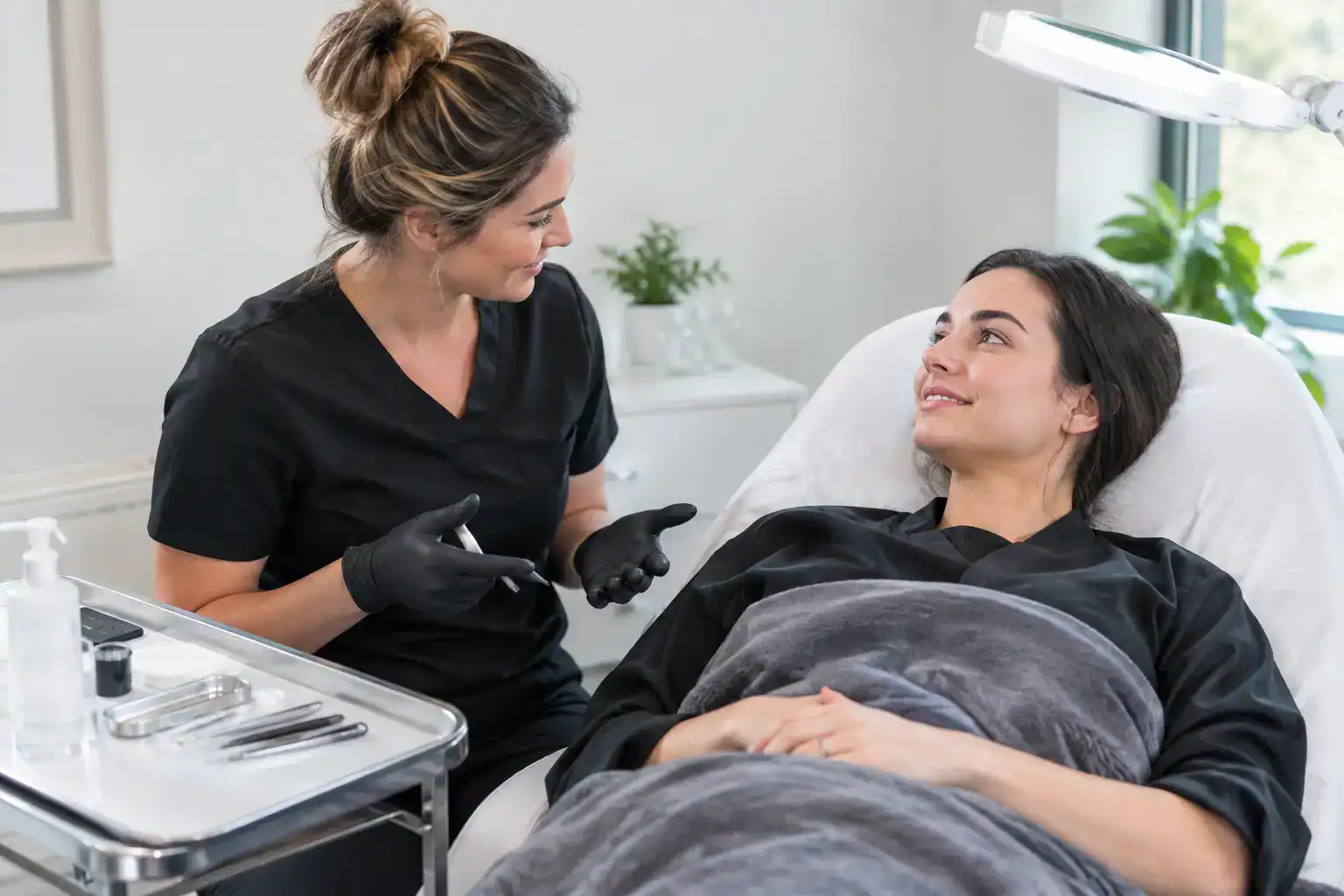
A restorative tattoo appointment should never feel rushed. Before beginning, your artist should discuss your health history, surgical timeline, medications, allergies, skin healing, and goals for symmetry, size, pigment tone, and dimension. This conversation also creates a plan for comfort.
Topical anesthetic may be used when appropriate and in accordance with the practitioner’s protocol. It is not always necessary, especially when sensation is reduced, but it can be helpful for clients with more feeling or anxiety about the procedure. Do not apply a numbing product on your own without discussing it first. Some products can affect the skin or interfere with the way pigment is placed and retained.
A supportive treatment environment makes a genuine difference. You should be positioned comfortably, given the opportunity to pause, and told what is happening as the appointment progresses. Many clients appreciate having a sense of control after a medical journey that may have involved many decisions made quickly or by necessity.
At Fancy Shmancy, the approach to 3D areola tattooing is personalized from consultation through aftercare. The goal is not to push through an appointment. It is to create natural-looking restoration with thoughtful planning, clinical cleanliness, and respect for the person in the treatment chair.
What can make discomfort more noticeable
Even when treatment is expected to be comfortable, a few practical factors can make you feel more sensitive. Poor sleep, dehydration, stress, illness, and an empty stomach can lower your comfort threshold. Scheduling a time when you can arrive unhurried and relaxed is a simple but meaningful form of preparation.
Certain medications and supplements may increase bruising or bleeding, while others can affect healing. Your practitioner should ask about these during consultation, and you should never stop prescribed medication without direction from your physician. If you are undergoing chemotherapy, radiation, immunotherapy, or other medical treatment, medical clearance is especially important before any paramedical tattooing procedure.
Pain tolerance is only one part of the picture. Emotional anticipation can amplify physical sensations, especially when the chest has been connected to illness, trauma, or loss. Feeling nervous does not mean you are not ready. It means the experience matters. A compassionate practitioner will meet that reality with information, choices, and a calm pace.
How to prepare for a more comfortable appointment
The best preparation is straightforward: follow the pre-care instructions provided specifically for you. These may include arriving well rested, eating a balanced meal, drinking water, wearing a comfortable top, and avoiding anything your practitioner has asked you to avoid before treatment.
Plan for a quiet day afterward if possible. You may feel emotionally full, even if the procedure itself was physically easy. Bringing a supportive person to the appointment or arranging a gentle activity afterward can help create space for the moment.
It is also helpful to bring your questions. Ask how long your appointment may take, whether a touch-up is likely, what level of sensation is expected based on your surgical history, and which aftercare steps protect your result. Clear expectations reduce uncertainty, and uncertainty is often the part that feels hardest.
What to expect after areola tattooing
Immediately after treatment, the area may look more vivid than the healed result. Mild tenderness, warmth, redness, or slight swelling can occur, particularly if you have more sensation in the area. These effects are usually temporary, but your individual healing response matters.
Follow your aftercare instructions closely. Keeping the area clean, avoiding friction, and allowing any flaking to resolve naturally helps protect both your skin and pigment. Avoid picking, scrubbing, swimming, and unnecessary sun exposure while the skin heals. Your artist will tell you when normal activities can resume and when to return for a follow-up assessment.
A touch-up is common in areola tattooing because healed skin can retain pigment differently, particularly over scar tissue. This is a refinement step, not a sign that something went wrong. The first session establishes the foundation; a later visit can adjust depth of color, balance, or small details once the skin has fully revealed its healed response.
The question beneath the pain question
Often, when someone asks whether an areola tattoo hurts, they are asking something larger: Will I feel safe? Will my body be treated gently? Will this look like me? Those are the right questions to ask.
The right artist will not minimize your experience or guarantee a sensation they cannot predict. They will explain the process, respect your medical history, and create room for your comfort throughout treatment. When you are ready, areola tattooing can be less about enduring a procedure and more about honoring how far you have come.
Author: Liana Reznik