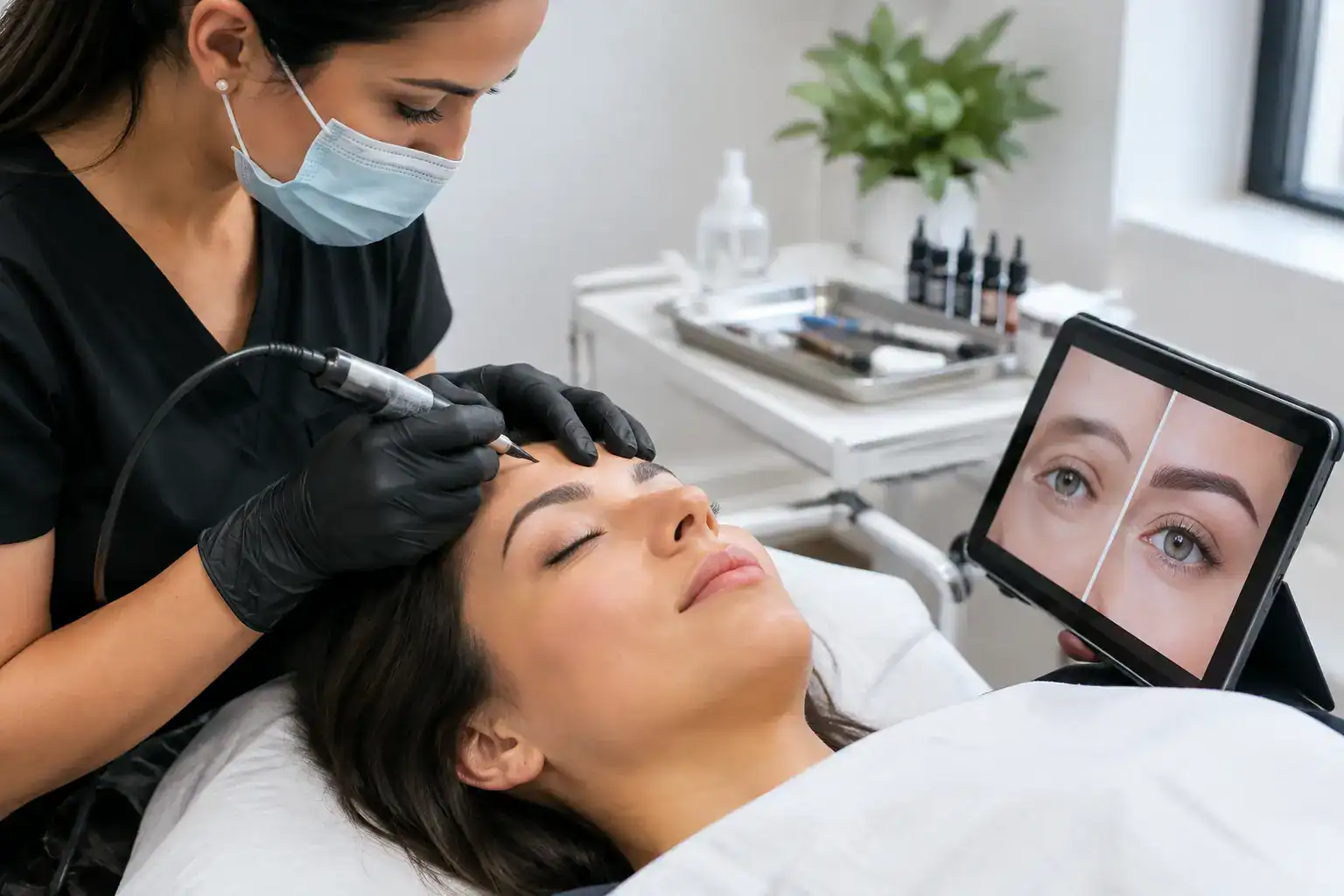
Areola Tattoo Review: What Results Really Feel Like
A meaningful areola tattoo review is rarely just about whether the finished result looks realistic in a photo. For many people after mastectomy, reconstruction, reduction, or other breast surgery, it is about seeing themselves with a renewed sense of familiarity. The most helpful reviews speak to the artistry, yes, but also to the emotional care, clinical knowledge, privacy, and patience behind the appointment.
3D areola and nipple tattooing is a specialized form of medical pigmentation. With carefully layered color, precise shading, and an individualized approach to skin tone and breast anatomy, it can create the visual appearance of an areola and projected nipple on a flat or reconstructed breast surface. The goal is not a one-size-fits-all version of perfection. It is a result that feels balanced, believable, and personal to you.
Areola Tattoo Review: What a Great Result Includes
A strong outcome begins long before pigment touches the skin. The best areola tattoo reviews often describe feeling heard during the consultation. That matters because no two surgical journeys, scars, skin types, or aesthetic preferences are the same.
A skilled practitioner evaluates the healed tissue, scar pattern, skin texture, Fitzpatrick skin type, natural undertones, and the placement and size of the remaining areola, if there is one. For bilateral procedures, the design is created to suit the client’s frame, reconstructed breast shape, and preferences. For unilateral procedures, the work may focus on matching the existing areola as closely as possible without making unrealistic promises of identical symmetry.
The artistry lies in details that can look small from a distance but make a significant visual difference up close: a soft transition at the outer edge, variation in pigment depth, subtle Montgomery glands, and highlights and shadows that suggest dimension. A tattoo that is too dark, too sharply outlined, or too uniform can look less natural. Thoughtful 3D work uses restraint.
Just as important, the practitioner should explain what the tattoo can and cannot do. It creates the illusion of nipple projection rather than physical projection. It may soften the visual impact of scars, but it does not erase scar texture. It can be deeply restorative, while still being a tattoo performed on surgically altered skin that deserves careful assessment.
The Consultation Is Part of the Treatment
Clients often enter an areola tattoo consultation with practical questions and emotional ones. Both deserve clear answers. You may want to know how long the appointment will take, whether it will hurt, how the color will heal, how many sessions you may need, and whether your surgeon needs to approve treatment.
For anyone who has had breast reconstruction, medical clearance and full healing are essential. Timing varies based on the procedure, your healing progress, radiation history, medications, and guidance from your surgeon or medical provider. Tattooing too early can compromise comfort, pigment retention, and the final appearance. An experienced medical pigmentation specialist will not rush this step.
At Fancy Shmancy, the consultation is designed to make room for that level of care. It is a private conversation about your medical history, expectations, desired result, and a plan tailored to your skin and surgical outcome. Photos may be used for design planning with your consent, and pre-care instructions should be straightforward and specific.
A consultation is also the right time to discuss color honestly. Fresh pigment can look richer or more saturated immediately after treatment. As the skin heals, it typically softens. Reconstructed skin, scar tissue, and radiated tissue can retain pigment differently, so a touch-up session is common and should be viewed as part of refining the result rather than a sign that something went wrong.
Does a 3D Areola Tattoo Hurt?
Sensation is one of the most personal parts of any areola tattoo review. Some clients report very little feeling after mastectomy or reconstruction because sensation in the area has changed. Others have areas of heightened sensitivity, especially around scars or parts of the breast where sensation has returned.
The tattooing process is generally described as tolerable, but comfort cannot be predicted from someone else’s experience. A careful practitioner checks in frequently, works methodically, and adjusts the pace when needed. Topical numbing options may be discussed when appropriate, though the suitability of numbing products depends on your medical history and the condition of the skin.
The emotional experience can be unexpectedly powerful, too. Some clients feel nervous before the appointment and relieved afterward. Others need time to process the change. There is no correct reaction. This treatment can mark the end of a long medical chapter, but it does not require you to feel only one thing about that chapter.
Healing: What to Expect After Your Appointment
Immediately after treatment, the area may appear darker, warmer in tone, or more defined than the healed result. Mild redness, tenderness, and light flaking can occur. Your aftercare instructions should explain how to keep the area clean, what products to use or avoid, and when you can return to normal activities.
During healing, do not pick at flaking skin or try to judge the final color too soon. Pigment often appears to fade as the surface heals, then settles as the skin completes its recovery. This process takes patience, particularly when working with scar tissue.
For the best chance of even healing, clients are commonly advised to avoid friction from tight clothing, soaking in baths or pools, excessive sweating, direct sun exposure, and products not specifically approved by their practitioner. Your personal instructions may differ, especially if you have a history of delayed healing, radiation, diabetes, allergies, or sensitive skin.
A follow-up assessment allows the artist to evaluate color retention and make small adjustments to shade, dimension, or symmetry. The final result should look integrated with your skin, not pasted onto it.
What Reviews Can Tell You – and What They Cannot
Reviews can reveal a great deal about a provider’s bedside manner and standards. Look for comments that mention a clean, professional environment; clear pre-care and aftercare; respectful communication; realistic expectations; and a willingness to spend time on placement and color selection. These are meaningful indicators of a practice that treats restorative tattooing with the seriousness it deserves.
Before-and-after images are useful as well, but view them carefully. Look for healed results when available, not only photographs taken immediately after the procedure. Notice whether the areolas appear appropriately scaled to the body, whether the color has natural variation, and whether the style feels refined rather than overly dramatic.
At the same time, another person’s areola tattoo review cannot predict your result. Their breast reconstruction may be different from yours. Their scar tissue, immune response, skin tone, pigment retention, and desired shade may be entirely different. A reputable specialist should never use another client’s outcome as a guarantee of your own.
Choosing a Specialist You Can Trust
Areola restoration deserves more than general tattoo experience. Seek a practitioner with demonstrated training and experience in 3D areola and nipple tattooing, medical pigmentation, scar assessment, color theory, and sanitation protocols. If you have had cancer treatment, radiation, reconstruction, or complex scarring, medical awareness is especially important.
Ask how the practitioner approaches color matching on healed and altered skin. Ask whether they work with your surgeon’s recommendations, what their touch-up policy is, and how they evaluate readiness for treatment. Pay attention to how the answers make you feel. You should never feel pressured to book before you understand the process.
The right artist brings technical precision, but also sensitivity. They recognize that this is not simply a cosmetic service. It may be a choice made after profound change, a way to restore visual continuity, or a private step toward feeling more at home in your body.
Your result does not need to look like anyone else’s to be successful. The best areola tattoo is one designed with care, performed when your body is ready, and created to help you look in the mirror with a little more comfort and confidence.
Author: Liana Reznik