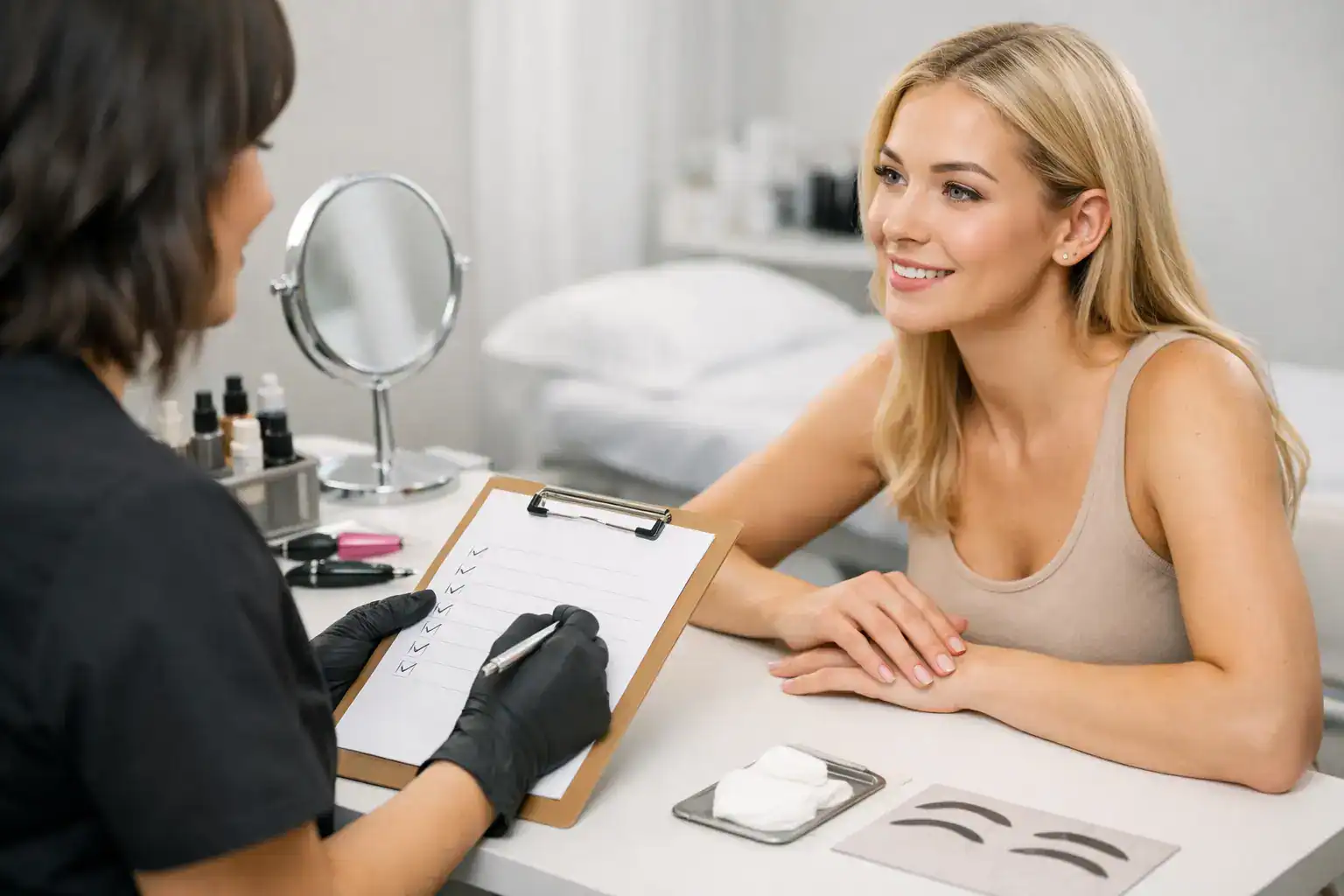
Cosmetic Tattoo Consultation Preparation Checklist
A consultation should feel like the moment the uncertainty starts to lift. Whether you are considering soft powder brows, lip blush, scar camouflage, scalp micropigmentation, or 3D areola tattooing, this cosmetic tattoo consultation preparation checklist helps you arrive ready for an honest, detailed conversation about what is possible for your skin, lifestyle, and goals.
Permanent makeup and medical pigmentation are personal treatments. The right plan is never one-size-fits-all. It is shaped by your skin, health history, existing pigment or scar tissue, healing capacity, and the result you want to see in the mirror.
Start With the Result You Want to Feel
Before choosing a color, shape, or technique, think about the reason you are seeking treatment. You may want brows that frame your face without a daily pencil routine. You may be looking to soften the appearance of a surgical scar, restore the look of an areola after breast reconstruction, or create the appearance of fuller hair density.
Bring a few reference photos if they help you explain your preferences, but use them as a starting point rather than a promise. Photos are often filtered, taken in flattering light, or created on skin and facial features unlike your own. A skilled artist will translate the feeling you like – soft definition, balance, restored continuity, a polished look – into a treatment plan that works with your natural anatomy.
For restorative services, you do not need to have the perfect language for your story. It is enough to share what has changed and what you hope will feel more like you again. Your consultation should make space for both the technical details and the emotional weight of the decision.
Your Cosmetic Tattoo Consultation Preparation Checklist
Bring or prepare the information that allows your provider to assess safety, predict healing, and make thoughtful recommendations. These details are not a barrier to treatment. They are part of protecting your result.
- A complete health and medication history. Include prescription and over-the-counter medications, vitamins, supplements, allergies, autoimmune conditions, bleeding disorders, diabetes, history of cold sores, pregnancy or nursing status, and any recent procedures. Do not stop prescribed medication without direction from your physician.
- Details about prior cosmetic tattooing or tattoo removal. If you have existing brow, eyeliner, lip, scalp, or body pigment, share when it was done, how it healed, and whether you have had saline or laser removal. Clear photos in natural daylight are useful, especially for a virtual consultation.
- Information about surgery, scarring, or medical treatment. For areola restoration, scar camouflage, stretch mark camouflage, or other paramedical tattooing, note the dates of surgeries and treatments, whether the area is fully healed, and any instructions from your surgeon or medical team. In some cases, medical clearance is appropriate.
- Current skincare and aesthetic treatments. Retinoids, exfoliating acids, acne medication, chemical peels, laser treatments, injectables, and sun exposure can affect the skin and its readiness for pigmentation. Mention what you use and when you last received treatment.
- A realistic sense of your schedule. Cosmetic tattooing takes healing time. Plan around vacations, swimming, intense workouts, special events, and sun exposure. A consultation is the right time to discuss treatment timing, touch-ups, and the period when pigment will look darker or more noticeable before it settles.
- Questions you do not want to forget. Write them down. You might ask about the technique recommended for your skin type, expected longevity, touch-up timing, discomfort management, downtime, aftercare, and what happens if the healed result needs refinement.
Be Candid About Your Skin and Healing History
Skin is not a blank canvas. Oil production, pore size, texture, sun damage, sensitivity, Fitzpatrick skin type, and prior trauma all influence pigment retention and how a color heals. For example, a crisp hair-stroke brow effect may not be the most durable choice on very oily or mature skin. A soft shaded approach may heal more predictably while still looking natural.
Scar tissue also behaves differently than untouched skin. It may hold pigment unevenly, require more than one session, or need additional time to mature before treatment. That does not mean restorative pigmentation is out of reach. It means the plan needs patience and a practitioner who understands skin anatomy, scar behavior, and color theory.
Be transparent if you have ever developed raised scars, keloids, delayed healing, irritation from adhesives, or reactions to pigments or topical numbing products. The safest answer is sometimes to wait, modify the plan, perform a patch test when appropriate, or coordinate with your physician. A careful provider will never treat those conversations as inconvenient.
Share Existing Pigment Before Making a Change
Correction work is one of the most common reasons clients seek a consultation. Old permanent makeup can shift warm, cool, gray, red, or uneven over time. It may sit too deep, extend beyond the desired shape, or remain visible even after fading.
Bring unedited photos of the area without makeup, preferably taken near a window. Depending on the old pigment’s color, depth, and saturation, the best next step could be correction, neutralization, removal, or a period of waiting. Covering old work immediately is not always the most beautiful or responsible choice.
Know What to Expect From the Consultation
A high-quality consultation is not a quick approval before an appointment. It is an assessment and a collaboration. Your provider should ask about your health history, inspect the treatment area, discuss contraindications, explain likely healing, and talk clearly about what can and cannot be guaranteed.
For facial procedures, you may discuss facial symmetry, natural hair growth, skin undertones, and how much definition feels comfortable in your everyday life. For lip treatments, conversations often include natural lip tone, history of cold sores, and the difference between enhancing color and creating the look of lipstick. For scalp micropigmentation, the assessment may include hair-loss pattern, skin condition, and how the hairline should age over time.
For paramedical services, a consultation should be especially measured. Treatment may depend on complete wound closure, stable scar maturation, clearance from a treating physician, or an understanding of reconstruction outcomes. The goal is not to rush a milestone. It is to create a result that honors your healing journey.
At Fancy Shmancy, this planning process is grounded in more than artistic preference. It reflects medical aesthetics experience, a close understanding of skin behavior, and the sensitivity required when a treatment is connected to surgery, injury, or recovery.
Prepare for an In-Person or Virtual Appointment
An in-person consultation allows the practitioner to evaluate skin texture, undertones, old pigment, and scar tissue directly. Arrive with the intended area clean and free of makeup whenever possible. For brows, avoid filling them in heavily. For lips, avoid lipstick or liner. For scalp treatments, arrive with your scalp in its usual condition unless you are given different instructions.
A virtual consultation can still be productive when travel, recovery, or scheduling makes an in-person visit difficult. Take photos in indirect natural daylight without filters, portrait mode, or flash. Include one straight-on image and images from each side. For scars or surgical areas, follow the clinic’s privacy guidance and only share images through its designated consultation process.
Use the appointment to assess the provider, too. You should leave with a clear sense of their approach to sanitation, informed consent, pigment selection, healing expectations, and follow-up. Feeling pressured to book before your questions are answered is a sign to pause.
Ask About the Commitment, Not Just the First Session
Cosmetic tattooing is long-lasting, but it is not static. Pigment gradually softens as skin renews and as lifestyle factors such as sun exposure, skincare, and immune response influence retention. Most procedures involve a perfecting session after the initial healing period, and future color refreshes may be desired.
The trade-off for a subtle, natural-looking result is that it may require gradual building rather than a dramatic first appointment. That is particularly true for lips, scar camouflage, and areola work, where careful layering can be more predictable than trying to achieve maximum saturation immediately.
Ask how many sessions are likely, what may change after healing, and what the financial and time commitment looks like. A transparent plan gives you room to decide without surprises.
The best consultation does more than prepare you for a procedure. It gives you permission to move forward at your own pace, with a plan that respects your health, your features, and the confidence you are ready to reclaim.
Author: Liana Reznik