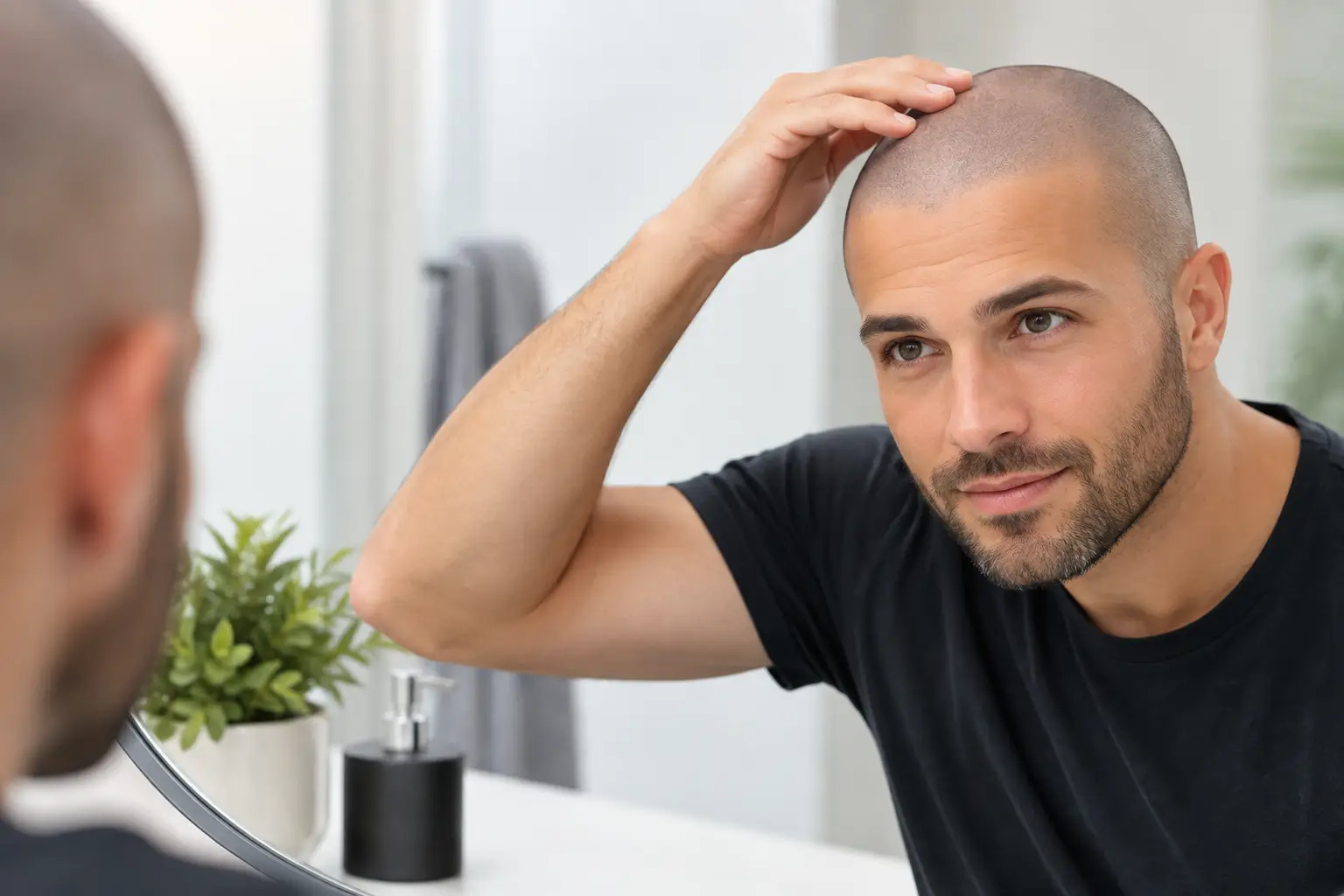
How to Care for Scalp Micropigmentation Results
Scalp micropigmentation can create the appearance of fuller density, a closely cropped hairline, or a more balanced frame for your face. The artistry matters, but so does what happens after your appointment. Knowing how to care for scalp micropigmentation gives the pigment time to settle beautifully, protects the precision of each impression, and supports the natural-looking result you chose.
At Fancy Shmancy, aftercare is never an afterthought. Your scalp, skin type, lifestyle, and treatment plan all shape the guidance you receive. The instructions below offer a clear foundation, but your artist’s personalized directions should always come first.
Care for Scalp Micropigmentation Starts Before Treatment
Good healing begins with thoughtful pre-care. In the days leading up to your appointment, arrive with a clean scalp and follow any instructions provided during your consultation. Depending on your individual skin and health history, your artist may ask you to avoid alcohol, excessive caffeine, blood-thinning medications or supplements that have not been medically prescribed, and anything that may make the scalp more reactive.
Do not stop prescribed medication without approval from your physician. If you have a history of keloid scarring, psoriasis, eczema, dermatitis, active acne, or another scalp concern, mention it before treatment. Scalp micropigmentation is highly customized, and an experienced practitioner needs a complete picture to choose appropriate timing and technique.
Sun exposure deserves special attention. A sunburned scalp is not a treatment-ready scalp. Avoid tanning, burning, and aggressive exfoliation before your session. If you regularly shave your head, your artist will let you know whether to shave before arriving or leave the area untouched.
The First Four Days: Let the Skin Rest
The first several days are the most protective phase of scalp micropigmentation aftercare. Your skin has received thousands of precise, superficial pigment deposits. Even when the treatment area looks relatively calm, the scalp needs time to begin its healing process without excess moisture, friction, heat, or contamination.
For the first three to four days, avoid getting the scalp wet unless your artist directs otherwise. Skip shampooing, swimming, heavy sweating, steam rooms, saunas, and long hot showers. Do not scratch, rub, or pick at the area. You may notice mild redness, tenderness, tightness, or tiny dry flakes. These reactions can be normal, but the urge to touch the scalp can interfere with healing.
If you wear hats, choose a clean, loose-fitting option only if your provider says it is appropriate. Tight hats and helmets can create friction and trap heat, especially soon after treatment. If your work requires headwear, discuss it during your consultation so your appointment and recovery plan can account for it.
Sleep with a clean pillowcase, particularly during the first few nights. This small detail helps reduce unnecessary contact with oils, hair products, and bacteria. Avoid applying lotions, oils, sunscreen, hair fibers, styling products, or medicated scalp products to the treatment area unless they have been specifically approved.
Exercise, Sweat, and Chicago Weather
A hard workout may be part of your routine, but it can wait a few days. Heavy sweating introduces salt and moisture to healing skin and can make the scalp feel irritated. Most clients should avoid strenuous exercise for roughly four to five days, then return gradually based on their artist’s instructions and how the scalp looks and feels.
Weather can complicate this phase. Chicago-area summer heat, winter hats, and dry indoor air each bring different challenges. In hot weather, stay out of direct sun and avoid overheating. In cold weather, do not let a tight knit cap rub against freshly treated skin. The goal is simple: keep the scalp clean, dry, cool, and undisturbed while it settles.
Washing and Grooming After Your Session
Once your artist clears you to wash, use lukewarm water and a gentle, fragrance-free cleanser or shampoo. Let water run over the scalp rather than scrubbing it. Pat dry with a clean, soft towel. Do not use washcloths, exfoliating gloves, scalp brushes, or vigorous towel drying during the early healing period.
If you shave your scalp, wait until your provider gives you the green light. Shaving too soon can pull at dry skin, create irritation, and disturb pigment that is still stabilizing. When you resume, use a clean razor or electric shaver and a light touch. A close shave can complement the look of scalp micropigmentation, but rushing back into grooming is not worth compromising a fresh result.
Clients with longer hair or diffuse thinning should also be mindful of product transfer. Hair sprays, dry shampoos, root concealers, and oils can build up on the scalp. Reintroduce them slowly after healing, and wash them away gently. Your treatment should fit into your life, not require you to abandon every product you enjoy, but timing matters.
Sun Protection Preserves Your Scalp Micropigmentation
After the initial healing window, sun protection becomes one of the most meaningful long-term habits. Ultraviolet exposure can contribute to fading over time, especially for a shaved or closely cropped scalp that receives direct sunlight.
Once the skin is fully healed and your artist has approved sunscreen use, apply a broad-spectrum SPF 30 or higher to exposed areas. A non-greasy formula may feel more comfortable and help avoid unwanted shine. Hats also provide excellent physical protection, provided they are clean and fit comfortably.
Sun protection does not mean you need to hide indoors. It means treating your result with the same care you would give healthy facial skin. A beach day, golf outing, outdoor job, or family vacation is still possible with sensible preparation.
What Healing Can Look Like
Scalp micropigmentation usually appears darker immediately after a session, then softens as the skin heals. Some pigment retention is expected, and the true tone often becomes easier to assess after the area has fully settled. This is one reason scalp micropigmentation is commonly completed in multiple sessions rather than judged after a single appointment.
Light flaking can occur. Let it shed naturally. Picking at flakes may lift pigment or create patchiness. Temporary unevenness during healing is not necessarily a sign that something has gone wrong. Your artist evaluates how your skin retains pigment and makes thoughtful adjustments at later sessions to create believable density, a soft hairline, and dimensional results.
Healing is individual. Oily skin, sun exposure, immune response, skincare habits, and daily activity can all affect retention. The objective is not an unnaturally dark, solid cap of color. It is a refined, layered effect that works with your skin tone, hair pattern, and desired level of coverage.
When to Contact Your Artist or Medical Provider
A little redness or sensitivity can be part of normal recovery. Increasing pain, spreading redness, significant swelling, heat at the treatment site, pus, fever, or a rash that worsens should be addressed promptly. Contact your artist for guidance and seek medical care when symptoms suggest an infection or allergic reaction.
It is also wise to contact your provider if you are unsure about a product, activity, or upcoming event. A wedding, vacation, gym class, work requirement, or planned sun exposure may call for a small adjustment to your routine. Asking first can protect weeks of careful planning.
Long-Term Care Keeps the Result Refined
Scalp micropigmentation is considered long-lasting, but it is not static. Over time, pigment can soften, and a future touch-up may help restore balance. The timing varies widely. Some clients seek a refresh after a few years, while others wait longer depending on skin type, sun habits, fading, and changes in hair loss.
Avoid abrasive scalp treatments, chemical peels, strong exfoliants, and laser procedures over the pigmented area unless the provider performing them understands that you have scalp micropigmentation. If you begin a new hair-loss treatment or experience a significant change in your natural hair pattern, a follow-up consultation can help you decide whether an adjustment would enhance your overall result.
The most beautiful results are built through patience: thoughtful preparation, gentle healing, and expert follow-up. Treat your scalp with the same kindness that led you to choose this treatment, and give every carefully placed impression the time it needs to become part of your confidence.
Author: Liana Reznik