Cosmetic Tattoo Safety Before Your Appointment
A cosmetic tattoo should leave you feeling more like yourself – not worried about what was placed in your skin. Cosmetic tattoo safety begins long before pigment touches the skin: in the consultation, the health history, the treatment plan, and the standards your artist follows when no one is watching.
For permanent brows, lip blush, eyeliner, scalp micropigmentation, scar camouflage, or restorative areola tattooing, the right provider understands that safety and beautiful results are inseparable. The same precision that creates soft, natural-looking pigmentation also protects the integrity of your skin and supports predictable healing.
Cosmetic Tattoo Safety Starts With the Provider
A cosmetic tattoo is not simply a beauty appointment. It is a procedure that places pigment into the skin, so experience, sanitation, and judgment matter deeply. Look beyond social media photos and ask who is performing the treatment, how long they have worked with different skin types, and whether their portfolio reflects healed results as well as fresh ones.
A skilled practitioner should be able to explain why a specific technique, pigment family, needle configuration, or color adjustment is appropriate for you. This is particularly meaningful for clients with mature skin, sensitive skin, melanin-rich skin, previous tattooing, scars, or a history of cosmetic procedures. Skin does not behave the same way from person to person, and a one-size-fits-all approach can create avoidable risk.
At Fancy Shmancy, treatment planning is informed by skin anatomy, Fitzpatrick skin types, and the real-life goals behind the appointment. A client seeking fuller brows may need a different strategy than someone correcting lip discoloration after years of sun exposure. A person considering 3D areola tattooing after reconstruction deserves a provider who understands both artistry and the sensitivity of post-surgical skin.
Credentials Matter, But So Does Clinical Judgment
Training and licensing requirements can vary by location, so ask how your provider meets applicable state and local requirements. You should also feel comfortable asking about bloodborne pathogen training, ongoing education, and experience with your specific procedure.
Credentials alone do not guarantee a thoughtful result. The strongest sign of expertise is often the consultation itself. Your provider should ask detailed questions, identify concerns before treatment, and be willing to postpone or decline a procedure when your skin or health history suggests that waiting is the safer choice.
What a Clean, Professional Setup Looks Like
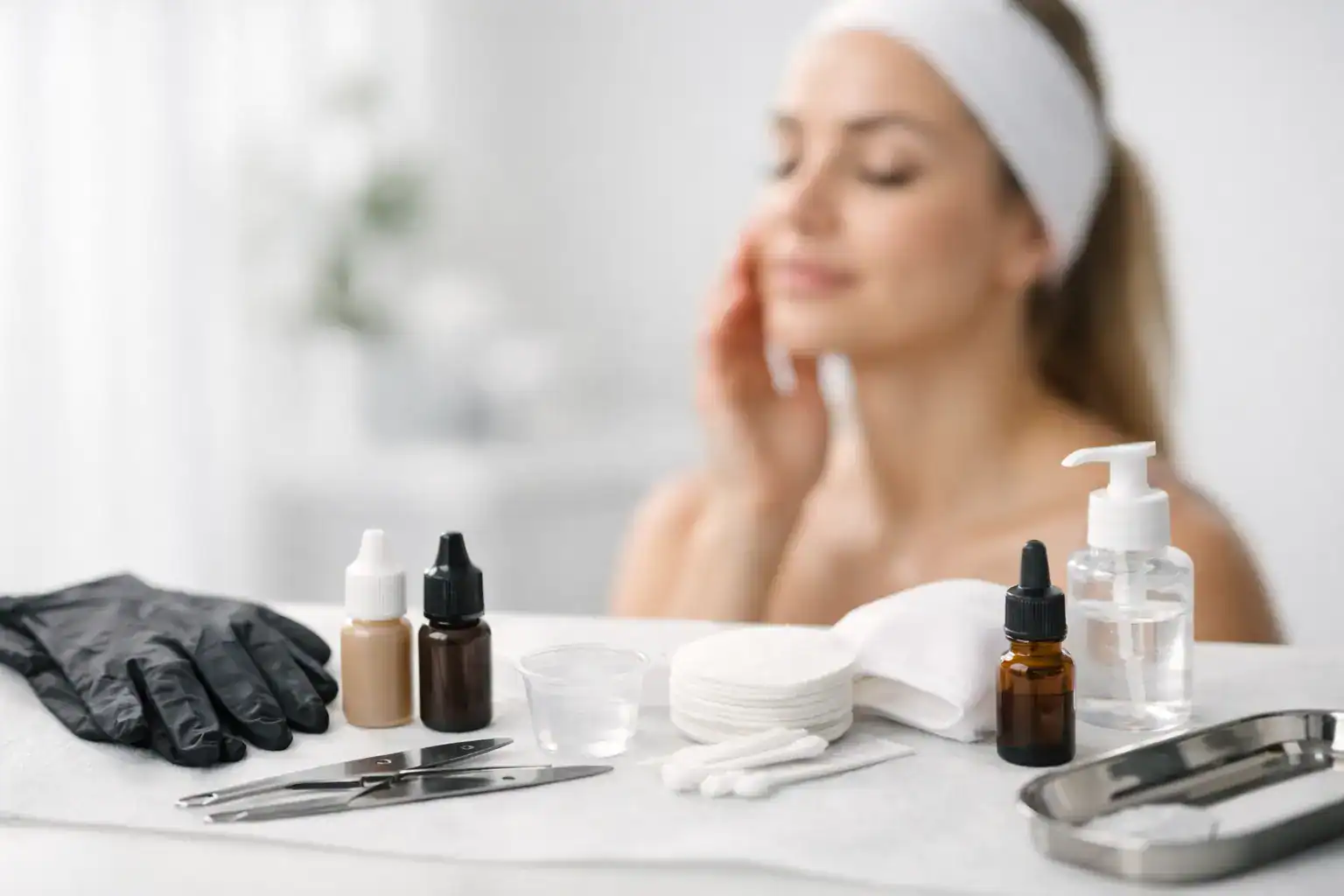
You do not need to be an infection-control expert to recognize careful practices. A professional environment should feel organized, calm, and prepared, not rushed or improvised. Supplies that contact the treatment area should be single-use, and needles should be opened from sterile packaging in front of you.
Gloves should be changed whenever cross-contamination could occur, including after touching phones, doors, drawers, or other non-treatment surfaces. Pigment should be dispensed into single-use caps rather than returned to a bottle after a procedure. The treatment bed, tray, machine surfaces, and work area should be properly disinfected between clients.
Do not let a beautiful studio aesthetic distract from the basics. A polished room is lovely; visible safety protocols are essential. If you feel hesitant to ask how something is cleaned or handled, remember that a reputable provider will welcome the question. Your comfort is part of the standard of care.
Your Consultation Should Be Personal, Not a Formality
The consultation is where many safety decisions happen. Before scheduling, share any relevant medical conditions, allergies, skin sensitivities, medications, and prior cosmetic tattoo or tattoo removal history. Be especially open about a history of cold sores if you are considering lip blush or lip color correction, as treatment can trigger an outbreak in susceptible clients.
Certain situations may require extra planning, medical clearance, or a delay in treatment. These can include pregnancy or nursing, active acne or eczema in the treatment area, an active infection, recent surgery, recent injectables or resurfacing treatments, uncontrolled diabetes, immune system concerns, a tendency toward keloid scarring, or medications that affect healing or bleeding.
This does not mean every medical history automatically disqualifies you. It means the plan should be individualized. Never stop prescribed medication for a cosmetic tattoo appointment without speaking to the clinician who prescribed it. A responsible provider will help you understand when a physician’s input is appropriate and when it is better to reschedule.
Patch Tests and Pigment Conversations
Pigment is not interchangeable. Quality pigments, color theory, and conservative technique all influence how a cosmetic tattoo heals and ages. Clients with a known pigment, dye, latex, topical anesthetic, or metal sensitivity should discuss it before booking. In some circumstances, a patch test may be recommended, though it cannot predict every possible reaction.
For lip procedures, skin tone and natural lip color affect the final healed shade. For brows, previous permanent makeup may change what can safely be corrected in one session. For scars and stretch marks, the age, texture, stability, and color of the tissue all matter. An honest consultation should set realistic expectations instead of promising an instant transformation.
Pre-Care Protects Your Results
Pre-care instructions are not optional fine print. They help reduce unnecessary bleeding, irritation, swelling, and healing complications. Your provider should give you clear guidance tailored to the service you are receiving and your health history.
In general, arrive with clean skin and avoid showing up after heavy sun exposure, a sunburn, or a night of drinking. Do not schedule a cosmetic tattoo immediately before a beach vacation, major event, or medical procedure. Your skin needs time to settle, and early healing can include temporary darkness, flaking, tenderness, or unevenness before the color softens.
It is also wise to plan around your usual lifestyle. If your work requires intense exercise, sweating, outdoor exposure, or frequent water activities, ask how those habits may affect healing. A few days of thoughtful planning can protect an investment that is designed to last.
Aftercare Is Where Healing Happens
Even flawless treatment technique cannot replace proper aftercare. Follow the instructions you receive, even if they differ from advice a friend received for a traditional body tattoo or a different cosmetic service. Brows, lips, eyeliner, scalp pigmentation, and paramedical tattooing can each have different healing needs.
Keep the area clean, avoid picking or scratching, and use only the recommended aftercare products. Avoid swimming, hot tubs, saunas, intense sweating, direct sun exposure, and makeup on the treated area for the period your provider specifies. Picking at flaking skin can pull pigment prematurely and increase the chance of patchiness or scarring.
Contact your provider promptly if you have questions about normal healing. Increasing redness, warmth, swelling, drainage, severe pain, fever, or a spreading rash should be evaluated by a medical professional. A cosmetic tattoo artist is an important part of your care team, but they are not a substitute for medical diagnosis or treatment.
Choose Safety Over a Bargain
A low price can be tempting, especially when cosmetic tattooing is often compared online as though every appointment were the same. They are not. Lower cost may reflect less experience, rushed consultations, inferior products, poor sanitation, or a provider who has not developed the judgment to work safely with complex skin concerns.
The better question is not, “Who is cheapest?” It is, “Who has earned my trust?” You deserve a provider who listens carefully, explains clearly, respects your boundaries, and treats your skin with the same care they bring to the final design.
The right cosmetic tattoo experience should feel considered from the first conversation through the final healed result. Take your time, ask direct questions, and choose the professional who makes confidence feel carefully cared for.
Author: Liana Reznik