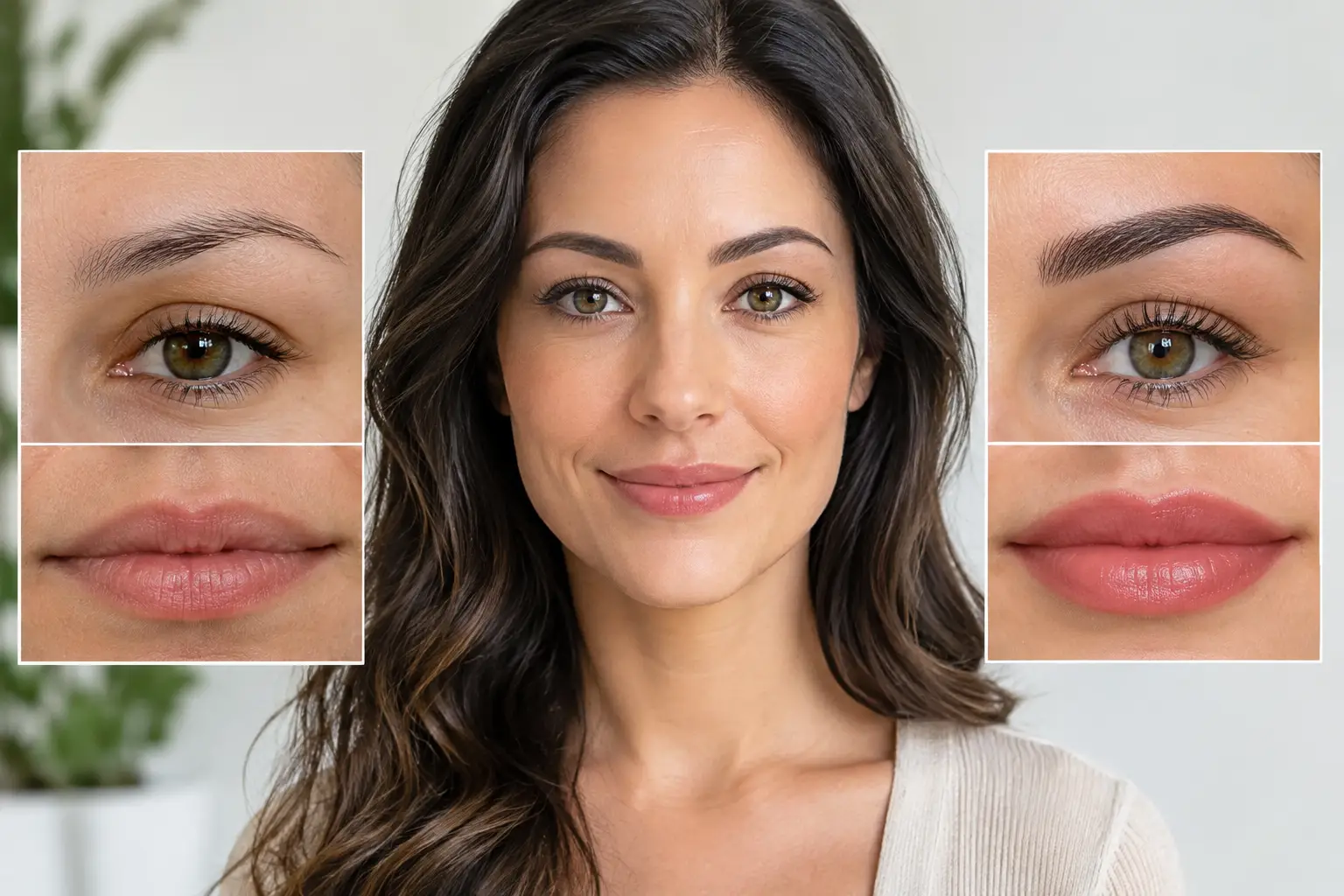
Cosmetic Tattoo Correction Examples That Restore Confidence
A cosmetic tattoo that no longer feels like you can be difficult to live with. Maybe the brows healed too dark or too warm. Maybe lip color settled unevenly, eyeliner has migrated, or a scar’s appearance changed after surgery. The most meaningful cosmetic tattoo correction examples are not about making a feature look “perfect.” They are about creating balance, softness, and a result that helps you feel comfortable being seen again.
Correction work requires more than placing a new pigment over an old one. It calls for a careful reading of the skin, the existing ink, facial structure, healing history, and the client’s realistic options. In some cases, a targeted color correction can create a beautiful improvement. In others, lightening or removal must come first. The right plan is always personal.
What Cosmetic Tattoo Correction Can Address
Cosmetic tattoo correction is a broad term for improving, neutralizing, lightening, reshaping, or restoring the appearance of previous permanent makeup and medical pigmentation. The goal may be cosmetic, restorative, or both.
A skilled provider begins by identifying why the prior work is no longer serving the client. Pigment can shift as it ages. Skin tone and texture can change with sun exposure, hormones, procedures, medication, and time. A style that once felt right can also feel too defined years later. Correction is not a one-size-fits-all service, because the same visible concern can have very different causes beneath the skin.
Cosmetic Tattoo Correction Examples in Real Life
Brows that healed gray, red, or overly saturated
Eyebrow corrections are among the most requested forms of permanent makeup revision. A former brown shade can fade cool and appear gray, blue, or ashy. In other cases, it can heal warm, with red or orange undertones. Overly dense strokes may blend together over time, leaving brows looking blocky rather than hair-like.
A correction may involve neutralizing the unwanted undertone before adding a refined brow color. For example, a cool gray cast may need warmth introduced with a carefully selected modifier, while a faded red tone may require a different balancing approach. Once the old color is adequately neutralized, the brow shape can sometimes be softened with strategic shading or added texture.
But pigment depth matters. If the prior tattoo is very dark, deeply implanted, or extends far outside a flattering shape, adding more pigment may make the situation harder to correct. A series of saline or laser removal sessions may be the more responsible first step. The trade-off is time, but it can preserve the possibility of a softer, more natural-looking result later.
Lips with uneven color or a cool, dark border
Lip blush should enhance the natural lip tone, not leave a harsh outline or compete with the complexion. Yet some clients come in with pigment that has healed patchy, turned cool, or created a darker border around the mouth. This is especially common when the original procedure did not adequately account for natural melanin levels and Fitzpatrick skin type.
One correction approach is lip neutralization. For lips with cool purple, gray, or brown undertones, a specialist may use warm-toned pigments in a series of sessions to gradually bring the overall color into better balance. This is not the same as applying a bright lipstick shade over dark lips. It is a controlled process designed to shift the underlying appearance before a desired healed color can be considered.
Clients with a pre-existing dark outline may need lightening before any blending work. It depends on the density of the old pigment, how it healed, and the health of the lip tissue. Honest expectations are essential: a correction can create significant harmony, but it cannot always erase the history of an old tattoo in one appointment.
Eyeliner that is too thick, uneven, or no longer flattering
Permanent eyeliner can be elegant when it follows the lash line and respects the eye’s natural shape. It can become problematic when wings are uneven, the line is too heavy, or pigment has migrated beyond the intended border. As skin naturally changes with age, an eyeliner shape that once felt dramatic may also begin to feel visually heavy.
A lightened or softened line can sometimes be improved with subtle lash enhancement, carefully placed to restore definition without adding bulk. When the existing eyeliner is too dark or sits in an unfavorable position, removal may be advised before any new work. The eye area is delicate, and correction should never be rushed simply to cover a concern.
Areola pigmentation after breast surgery
Not every correction begins with cosmetic permanent makeup. Medical pigmentation can restore visual continuity after mastectomy, breast reconstruction, breast reduction, or other surgical procedures. A 3D areola and nipple tattoo may be created from the beginning, or it may be adjusted when a prior tattoo has faded unevenly, lacks dimension, or no longer aligns with the reconstructed breast.
This work is deeply personal. The goal is not to create a generic image of what an areola should look like. It is to use thoughtful color selection, placement, shading, and detail to create a natural visual result that honors the client’s body and surgical journey. For many clients, this stage is a meaningful part of feeling whole after treatment.
Scars and stretch marks that need a more thoughtful approach
Scar camouflage and stretch mark camouflage are often described as tattoo correction because they use pigmentation to reduce contrast between healed tissue and surrounding skin. However, they require their own level of assessment. Scar tissue behaves differently from unaffected skin. It may be raised, depressed, tight, thin, or unpredictable in how it retains pigment.
A mature scar may be suitable for camouflage if it is fully healed, stable, and medically cleared when appropriate. The treatment involves custom color blending to visually soften contrast, not simply filling the scar with a single skin-toned ink. Inkless tattooing may also be considered for certain textural concerns, depending on the area and the client’s goals.
No ethical provider should promise that a scar will disappear. The more realistic and often more satisfying aim is reduced visibility and improved visual integration with the surrounding skin.
Why Consultation Determines the Treatment Plan
The most successful correction appointments begin well before pigment is placed. A consultation should include a close review of the existing tattoo in natural light, photographs when helpful, medical history, prior procedure details, skin condition, and the client’s desired outcome. For corrective work, knowing what was used previously can be useful, though it is not always available.
A practitioner also considers pigment saturation, migration, scar tissue, skin undertone, and whether the skin has been recently treated with retinoids, peels, injectables, or other procedures. A medical history matters particularly for restorative work and for clients healing after surgery, injury, or cancer treatment.
At Fancy Shmancy, correction planning is approached with the same precision and sensitivity as a first-time cosmetic or paramedical tattoo. Sometimes the best recommendation is to wait, heal, or lighten existing pigment before proceeding. That is not a setback. It is a sign that the long-term result matters more than a quick fix.
What to Expect From the Correction Process
Correction often happens in stages. A first session may focus only on neutralization, removal, or a small test area. After the skin heals, the specialist can see how the pigment responds and adjust the next step. This measured approach is especially valuable on lips, scar tissue, and previously saturated brows.
Healing can temporarily look darker, warmer, cooler, or more uneven than the final result. Following pre-care and aftercare instructions helps protect the work and supports predictable healing. Avoiding sun exposure, picking, friction, and unapproved active skincare products is part of preserving the treatment area.
The final outcome depends on many variables, including the original tattoo, skin type, lifestyle, immune response, and willingness to complete the recommended treatment plan. A reputable provider will explain these limits clearly, rather than promising an instant transformation.
A previous tattoo does not have to define how you feel about your reflection or your body. With a thoughtful consultation, experienced color theory, and a plan built around your skin and goals, correction can be a gentle next step toward an appearance that feels more like your own.
Author: Liana Reznik