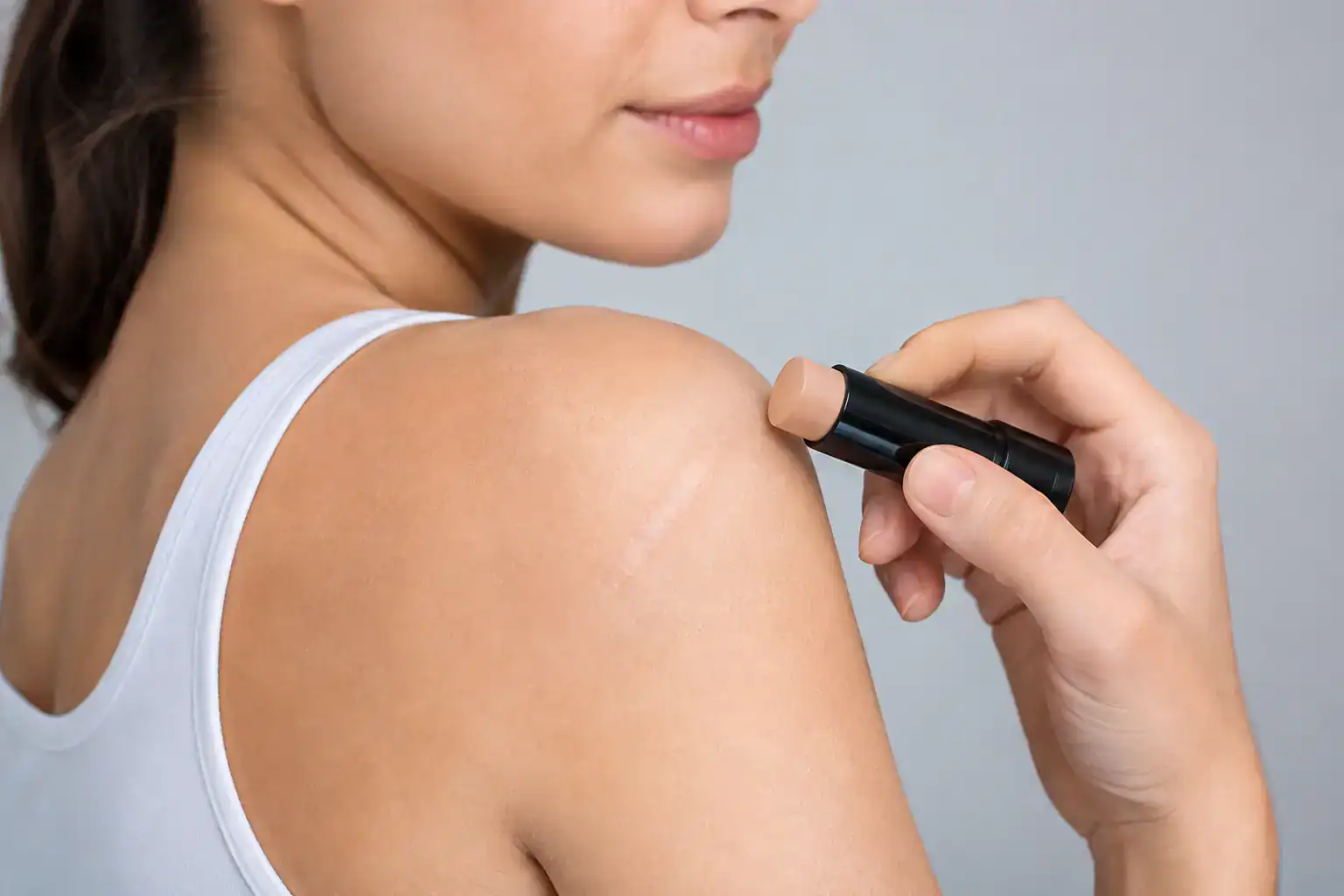
How Scar Camouflage Works on Healed Skin
A scar can represent survival, a hard-won decision, an accident, or a chapter you would simply prefer not to see first in the mirror. Understanding how scar camouflage works can make the next step feel less uncertain. This specialized form of medical pigmentation does not remove a scar. Instead, it carefully blends its visible color with the surrounding skin so the area appears softer, more balanced, and less noticeable.
For the right candidate, scar camouflage can be a meaningful part of feeling comfortable in their body again. The work requires far more than placing a beige pigment over lighter skin. Every scar has its own texture, undertone, healing history, and response to pigment. A natural-looking result begins with an honest assessment and a precise plan.
What Scar Camouflage Actually Does
Scar camouflage is a paramedical tattooing technique that deposits custom-blended pigment into the skin to reduce the contrast between a healed scar and the skin around it. It is often considered for surgical scars, injury scars, burn scars, tummy tuck scars, breast lift or augmentation scars, C-section scars, and scars following other medically approved procedures.
The objective is visual continuity. When a scar is noticeably lighter, darker, redder, or otherwise different from the surrounding complexion, the eye is naturally drawn to that contrast. By adjusting the scar’s apparent color, camouflage can help the area recede visually.
It is not a treatment for scar removal, and it cannot make raised texture, indentations, or tight scar tissue disappear. If you run your fingers over a textured scar, you may still feel it after pigmentation. That distinction matters. The best results come from treating scar camouflage as an artistic and clinical color-correction procedure, not a promise of flawless skin.
How Scar Camouflage Works: Color, Skin, and Technique
The process starts with analyzing the skin rather than choosing a pigment from a standard chart. A trained practitioner considers your natural undertone, the tone of the skin in the treatment area, scar color, Fitzpatrick skin type, sun exposure, and how the scar has matured over time.
A light scar, for example, may need warmth and depth to blend with the surrounding area. A scar that is darker than the skin may require a different strategy and may not always be an ideal fit for traditional camouflage. Pigment behaves differently in scar tissue than it does in untouched skin, which is why experience with medical pigmentation is essential.
Custom color matching is typically done in layers. The practitioner may begin conservatively, allowing the skin to heal before deciding whether another session is needed. Freshly implanted pigment can look more pronounced at first, then soften as the skin heals. Building color gradually helps preserve a believable result and avoids overcorrecting the area.
Technique also matters. Scar tissue may be thinner, denser, less elastic, or less predictable in how it accepts pigment. A thoughtful approach respects the skin’s limits, uses controlled implantation, and adapts to the scar rather than forcing the scar to behave like normal skin.
Why scars need to be fully healed
A scar should be mature, stable, and fully healed before camouflage is considered. In many cases, that means waiting at least 12 months after surgery or injury, though timing varies based on the location, procedure, personal healing, and medical guidance.
A scar that is still red, pink, purple, tender, itchy, changing shape, or actively healing is not ready for pigmentation. Working too soon can interfere with healing and makes the eventual color outcome much less predictable. Clients who have had recent surgery, radiation, chemotherapy, or a medical complication should receive appropriate clearance from their physician before moving forward.
Who May Be a Good Candidate?
The strongest candidates have flat or mostly flat scars that are stable and lighter than their surrounding skin. They understand that the goal is improvement, not perfection, and they are willing to follow pre-care, healing, and touch-up recommendations.
Some scars need additional care before tattooing. Raised hypertrophic scars, keloid-prone skin, active acne or irritation in the area, open skin, and scars with ongoing inflammation should be evaluated cautiously. A history of keloids does not automatically mean every person is ineligible, but it does require a conservative, medically informed conversation.
Certain medications and health conditions can also affect candidacy, healing, or pigment retention. Blood-thinning medications, autoimmune conditions, uncontrolled diabetes, pregnancy or nursing, and active medical treatment may change the timeline or make treatment unsuitable. A professional consultation should include a complete health history, not just a quick look at the scar.
For clients with darker skin tones or complex undertones, expertise is especially important. Camouflage is not about making skin lighter or creating a one-dimensional patch of color. It is about matching warmth, depth, and undertone in a way that respects the character of your natural skin.
What Happens During a Scar Camouflage Appointment
A thorough consultation comes first. The scar is assessed in person or virtually, photographs may be reviewed, and your goals are discussed with care. This is the time to share surgical history, prior treatments, skin sensitivities, and any concern you have about the appearance of the area.
Once you are cleared for treatment, the skin is prepared and the pigment is custom mixed. The practitioner may test a small area or begin with a subtle first pass to see how the scar accepts color. Using a sterile, single-use needle and professional protocols, pigment is implanted with controlled precision across the scar.
Most clients describe the sensation as manageable, though sensitivity differs by body area and by the condition of the scar. Sessions vary in length depending on the size, location, and complexity of the treatment area. A small scar may be addressed relatively quickly, while a larger surgical scar can require more detailed work.
It is common to need two or more sessions. Scar tissue can retain pigment unevenly, and the true healed result cannot be judged on the day of treatment. Spacing appointments gives the skin time to settle and allows color to be refined thoughtfully.
Healing and Aftercare Shape the Result
Immediately after treatment, the area may look darker, warmer, or more defined than expected. Mild redness or tenderness can occur. This early appearance is temporary and should not be mistaken for the final result.
Aftercare protects both the skin and the color during the healing phase. Clients are generally advised to keep the area clean, avoid picking or exfoliating, and limit friction, swimming, sweat, direct sun, and tanning while the skin recovers. Your specific instructions should reflect the treatment area, your skin, and the work performed.
Long term, sun protection matters. Natural skin tans and changes with the seasons, while implanted pigment does not tan in the same way. A scar that is beautifully blended in one season may appear more visible after significant sun exposure or changes in skin tone. Touch-ups can help maintain balance when appropriate.
Choosing a Specialist Is Part of the Treatment
Scar camouflage sits at the intersection of artistry, skin knowledge, and restorative care. It should not be approached as a standard cosmetic tattoo service. The practitioner needs a working understanding of scar behavior, pigment theory, sanitation, skin anatomy, and the emotional sensitivity that can accompany post-surgical or post-trauma work.
At Fancy Shmancy, every restorative pigmentation plan is approached with discretion, precision, and respect for the story behind the skin. The goal is never to rush a decision or sell an unrealistic transformation. It is to create a result that feels considered, personal, and aligned with what confidence looks like for you.
Your scar does not need to be hidden to be worthy of care. If its color contrast is affecting how you dress, move, or feel in your own skin, a professional consultation can offer clear answers about what is possible and what your individual path may look like.
Author: Liana Reznik