Does Pigment Change During Healing? What to Expect
The first look in the mirror after a permanent makeup or restorative tattoo procedure can be surprising. A new brow may seem bolder than expected, lips may look more saturated, or a scar camouflage area may appear temporarily different from the surrounding skin. So, does pigment change during healing? Yes. Visible color changes are a normal part of the healing process, and they do not automatically predict your final result.
At Fancy Shmancy, every treatment is planned with the understanding that skin is living tissue, not a flat canvas. The pigment seen immediately after treatment is influenced by fresh skin, mild inflammation, natural lymph fluid, and the way your individual complexion heals. Patience, thoughtful aftercare, and an experienced provider are what allow the intended color to reveal itself over time.
Why Pigment Looks Different After Treatment
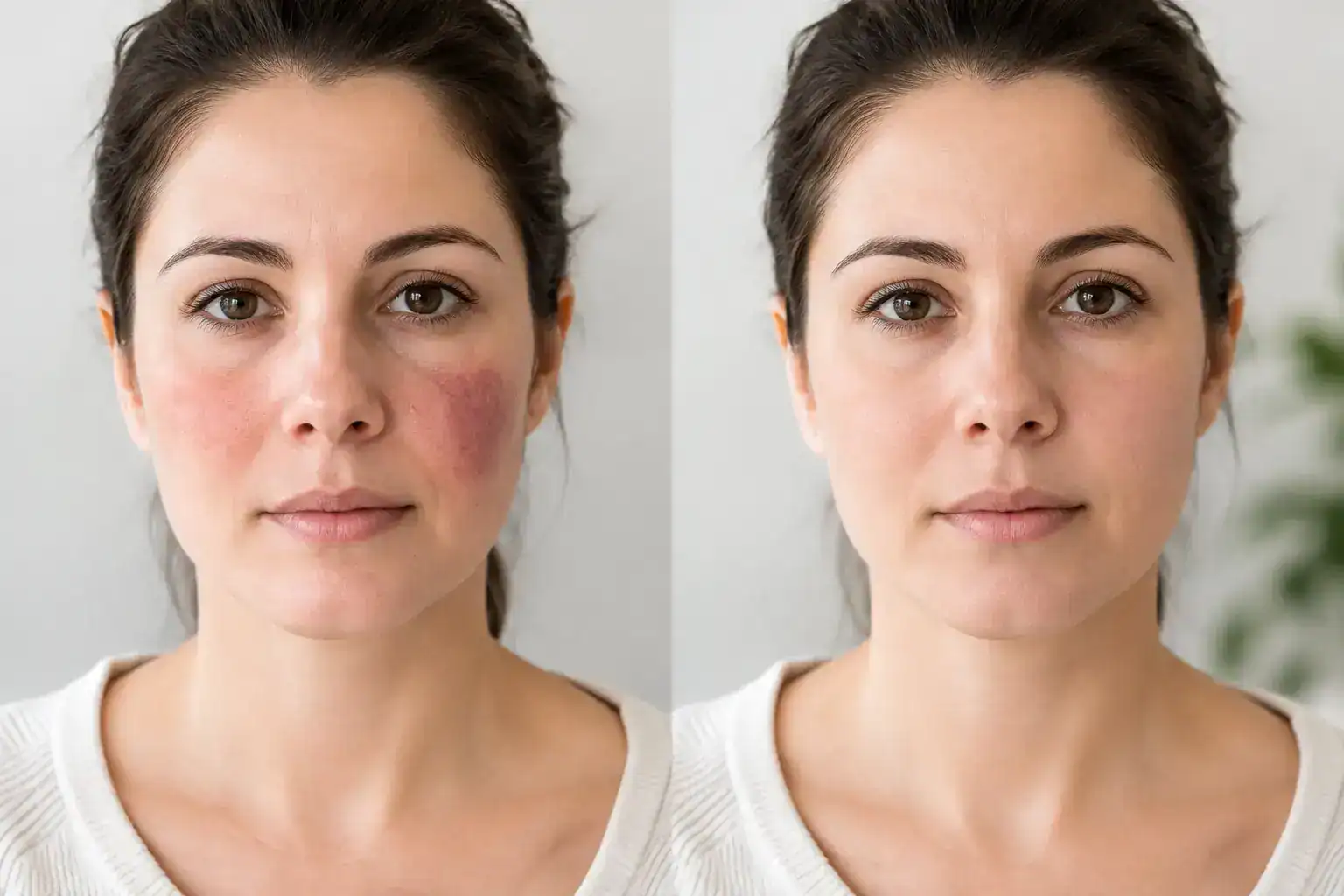
Immediately after a cosmetic or medical pigmentation procedure, the treated area is responding to controlled trauma. Tiny openings in the skin allow pigment to be placed at the appropriate depth, while the body begins its repair process. Redness, swelling, and a slight sheen can make color look deeper, warmer, cooler, or more intense than it will once healed.
For permanent eyebrows, this often means brows look darker and more defined during the first several days. With lip blush or lip neutralization, lips can look vividly pink, red, or even uneven in tone before they soften. Eyeliner may appear stronger while the eyelid is puffy, and freckles can look unusually dark before they fade into a believable sun-kissed effect.
Restorative work follows the same skin biology, but final color planning can be more nuanced. A 3D areola tattoo, scar camouflage treatment, stretch mark camouflage session, or scalp micropigmentation procedure must be evaluated alongside skin texture, existing pigment, circulation, scar maturity, and Fitzpatrick skin type. A shade that looks perfect on the day of treatment may settle differently as the skin completes its recovery.
Does Pigment Change During Healing? Yes, in Stages
Healing is not a straight line from fresh pigment to final color. Most clients experience a few predictable visual phases, though their timing and intensity vary.
The fresh phase: darker, brighter, or more noticeable
During the first few days, pigment generally appears more concentrated than the intended healed result. The skin may be mildly swollen, and surface moisture can amplify the color. This is especially common in brows, eyeliner, lip color, and freckles.
For paramedical tattooing, the contrast may feel more visible simply because the purpose is to restore continuity. An areola may initially look darker than surrounding skin, and a scar camouflage area may look more distinct before inflammation settles. This early appearance is not the final measure of a natural-looking result.
The flaking phase: patchiness is common
As the outermost layer of skin renews itself, light flaking or peeling can occur. Pigment may appear uneven, lighter in some areas, or temporarily dull. Clients sometimes worry that the color has disappeared entirely, particularly after brow procedures.
This is often called the “ghosting” stage. Fresh skin has formed over the implanted pigment, which can make the color look soft or faint before it gradually resurfaces. Picking, scrubbing, or pulling at flakes can disrupt the healing skin and lead to unnecessary pigment loss, so gentle restraint matters here.
The settling phase: color returns and refines
Over the following weeks, the pigment becomes more visible again as the skin stabilizes. Its undertone may shift slightly as well. A cool-looking brow can soften, a warm lip tone can calm, and a camouflage shade can blend more naturally with the surrounding area.
Healed pigment is usually lighter and softer than fresh pigment. This is intentional. Skilled permanent makeup is designed to enhance features without looking heavy, while skilled medical pigmentation aims to restore visual harmony rather than create a flat, obvious patch of color.
What Determines How the Color Heals
No two people heal exactly alike. An experienced artist chooses pigment with healing behavior in mind, but several factors affect whether color retains strongly, fades more quickly, or shifts in warmth and depth.
Skin type is one factor. Oily skin can retain pigment differently than dry or balanced skin, particularly in permanent eyebrows. Mature skin, sun-damaged skin, highly textured skin, and areas with previous tattooing may also respond differently. Fitzpatrick skin type helps guide safe, thoughtful pigment selection, especially for procedures involving lips, scars, stretch marks, and areola restoration.
The condition of the treatment area matters just as much. Scar tissue can have altered circulation and unpredictable texture. A newer scar may not yet be suitable for camouflage, while a mature scar may accept pigment in select areas more readily than others. For this reason, restorative tattooing should never be treated as a one-size-fits-all service.
Lifestyle and aftercare also influence retention. Sun exposure, swimming, sweating, exfoliating acids, retinoids, picking, and premature makeup use can all interfere with healing. Certain medications, immune conditions, hormonal changes, and skin conditions may affect the process too. A thorough consultation is where these variables should be discussed openly and without judgment.
Color Shifts Versus Color Concerns
Some change is expected. A brow that heals 30 to 50 percent lighter than it looked on the first day is often within the normal range. Lips commonly soften substantially after the initial vivid stage. Freckles are meant to fade to a delicate, natural finish rather than remain dark dots.
A true color concern is different from normal healing variation. Excessive warmth, ashiness, unexpected discoloration, or significant unevenness may require a professional assessment after the skin has fully healed. In many cases, a planned perfecting session can refine density, shape, or tone. It is not a failure of the procedure. It is a practical part of achieving a personalized result on real skin.
For scar and stretch mark camouflage, multiple sessions are often appropriate because the goal is gradual blending. Layering color conservatively is safer and more believable than trying to force complete coverage in one appointment. The same thoughtful approach is valuable in 3D areola tattooing, where dimension, edge softness, and skin-tone variation create a more realistic visual outcome.
How to Protect Your Healing Result
Your provider’s specific aftercare instructions should always take priority, since care can differ by procedure and skin type. In general, keep the area clean, avoid touching it with unwashed hands, and resist the urge to examine or compare it constantly during the first two weeks.
Avoid soaking the treated area, intense exercise when advised, direct sun, tanning, pools, saunas, and products containing exfoliating or active ingredients until you have been cleared to resume them. Do not apply ointments, makeup, or skincare products unless your provider has recommended them. More product is not better when the skin is trying to repair itself.
Take clear photos in similar lighting rather than judging color under changing bathroom lights, car mirrors, or phone filters. Healing pigment can look dramatically different in warm versus cool lighting. A consistent photo record gives you and your provider a more useful view of progress.
When to Contact Your Provider or a Medical Professional
Mild redness, sensitivity, tightness, and flaking can be normal. Increasing pain, spreading redness, warmth, pus-like drainage, fever, severe swelling, or a rash should not be ignored. Contact your provider promptly, and seek medical care when symptoms suggest infection or an allergic reaction.
It is also wise to contact your provider if you have questions about a dramatic color change. Do not try to correct healing pigment yourself with at-home color products, exfoliation, or unapproved creams. Waiting until the tissue has healed enough for an accurate evaluation is safer and more likely to protect your result.
The best permanent makeup and medical pigmentation results are built with precision, but they are also given time. Let the skin do its quiet work. The color you see in the earliest days is only one moment in a carefully planned healing journey toward a result that feels like you.
Author: Liana Reznik