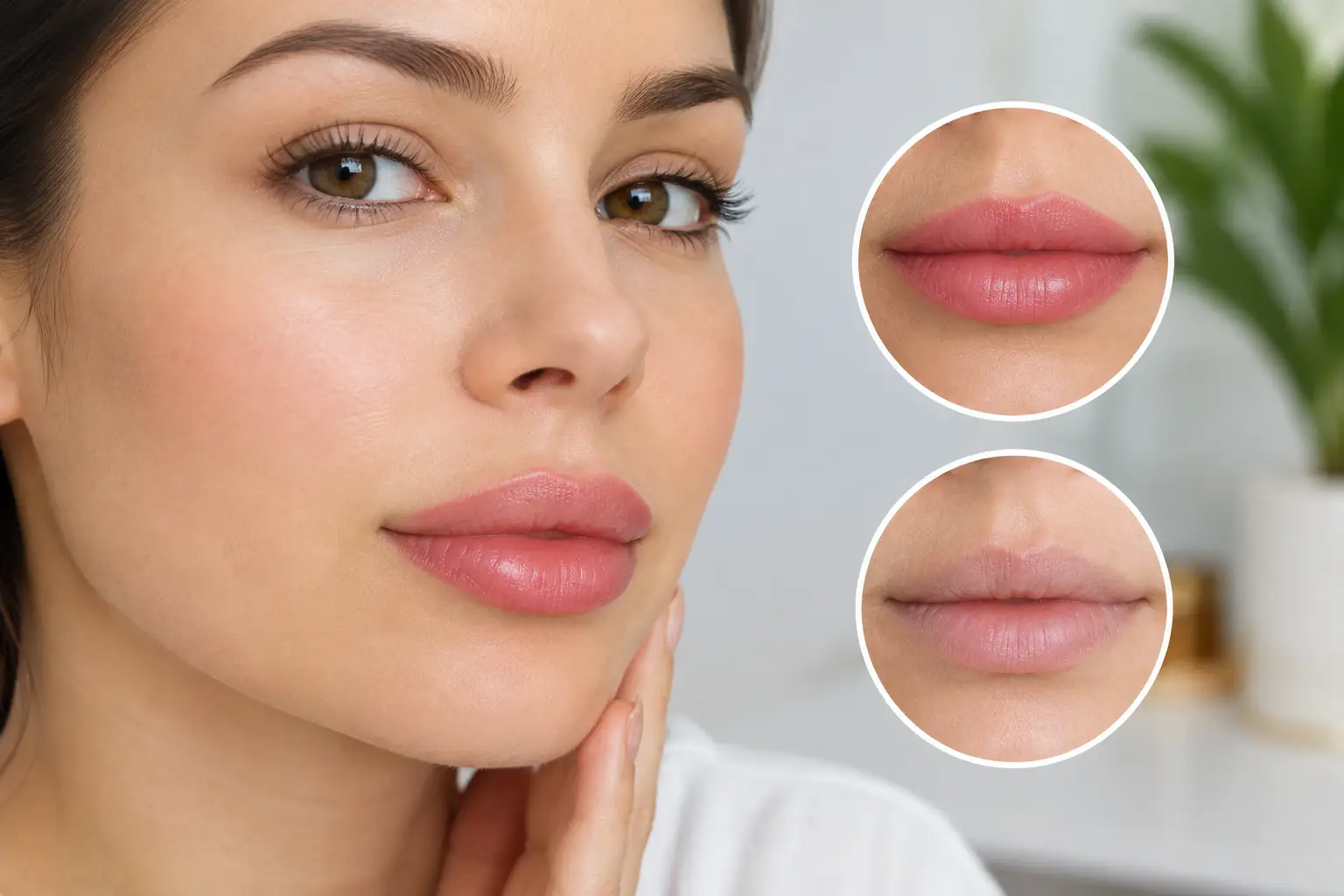
Lip Blush Fading and the Signs That Need Care
A beautiful lip blush result does not reveal its final color on the day of your appointment. In fact, lip blush fading is expected during healing, and it can be surprising if you have not been prepared for it. Lips may look brighter, deeper, or more defined at first, then seem to lose much of that color before the healed tone gradually returns.
That changing appearance is usually part of the process, not a sign that something has gone wrong. The key is knowing the difference between normal healing, ordinary long-term fading, and changes that deserve a conversation with your artist or medical provider.
Why Lip Blush Looks Like It Fades During Healing
Lip blush is a form of cosmetic tattooing designed to enhance the natural lip tone, improve symmetry, soften the look of uneven pigmentation, and create a healthy wash of color. Unlike a traditional lipstick effect, the intention is typically refined and believable – your lips, simply more balanced and awake.
Immediately after treatment, lips often appear more vibrant than the final result. There can also be mild swelling, which makes the color look concentrated. Over the next several days, the surface begins to heal and lightly exfoliate. As this happens, color can appear patchy, pale, or as if it has disappeared entirely.
This is sometimes called the “ghosting” phase. The pigment is not necessarily gone. It is settling beneath newly healing skin, and the visible color may reappear gradually over the following weeks. A final healed result is commonly assessed around six to eight weeks, not after the first few days.
Every client heals differently. Lip tissue is delicate, highly vascular, and exposed to moisture, food, skincare products, and natural movement throughout the day. A skilled permanent makeup artist plans for these realities, but no responsible practitioner should promise that every lip will retain color in exactly the same way.
What Normal Lip Blush Fading Can Look Like
During the first week, the color may soften dramatically. One area of the lip may appear lighter than another while dry skin releases. The outline can look less crisp temporarily, and the lips may feel dry or tight. These changes are common when they occur without escalating pain, pronounced swelling, heat, or other concerning symptoms.
In the weeks that follow, the color usually returns more softly than clients expect. This is intentional. Healed lip blush should complement your natural coloring rather than look heavy or opaque. A sheer pink, warm nude, berry tint, or corrected neutral tone can be remarkably effective even when it is not bold.
Long-term fading also happens. Cosmetic pigment is placed more superficially than a traditional body tattoo, and the lips naturally renew quickly. Depending on the selected shade, your skin, lifestyle, sun exposure, and aftercare, lip blush may stay fresh for one to three years before a color refresh is desired.
The goal is not to make pigment permanent at all costs. The goal is to create a color that ages gracefully and can be adjusted as your preferences, natural lip tone, and facial features change.
What Influences How Quickly Lip Blush Fades?
Pigment retention is personal. Your artist can assess your lips, medical history, existing lip color, and goals during a consultation, but healing remains a biological process. Several factors can influence how much color is retained.
Natural lip tone and pigment correction
Lips with cool, dark, uneven, or highly pigmented areas often need a correction plan before the desired lipstick-like shade can be achieved. In these cases, the first session may focus on neutralizing unwanted undertones rather than depositing the final target color. This can make early fading seem more noticeable, even though the treatment is progressing appropriately.
A thoughtful plan matters especially for melanated skin and clients with deeper Fitzpatrick skin types. Choosing pigment without considering undertones can produce a result that heals too cool, too ashy, or less visible than intended. Precision is more valuable than rushing toward a shade that looks appealing in the pigment cup.
Healing response and skin condition
Some clients naturally retain color more readily than others. Dry, chapped, sun-damaged, or irritated lips may heal unevenly. A history of cold sores can also affect planning. Lip tattooing can trigger an outbreak in susceptible clients, so a medical provider may recommend preventive antiviral medication before treatment.
Certain medications, immune conditions, smoking, frequent exfoliation, and medical treatments can affect suitability or retention. This is why a detailed consultation is more than a formality. It helps determine whether treatment should proceed, be modified, or be postponed.
Aftercare and everyday habits
Aftercare protects the healing work. Picking flakes, rubbing the lips, using active skincare too close to the mouth, exposing healing lips to sun, or returning too quickly to swimming and intense heat can interfere with recovery. Even small habits matter because the lips are constantly exposed.
Once healed, daily SPF and gentle lip care can help preserve color. So can avoiding aggressive lip scrubs and chemical exfoliants around the mouth. These steps do not stop fading forever, but they support more even, longer-lasting results.
When Uneven Fading May Need a Touch-Up
A touch-up is a normal part of many lip blush treatment plans, not a correction for failure. The initial session establishes the shape and foundation of color. A follow-up appointment, often scheduled after full healing, gives your artist the opportunity to assess retention, refine any soft areas, and build the color toward the agreed goal.
You may benefit from a touch-up if the healed color is lighter than planned, if one area retained noticeably less pigment, or if your lips required neutralization before the final shade could be layered. Some clients want only a whisper of tint after the first session and decide they are happy stopping there. Others prefer more saturation. Neither preference is wrong, provided the decision is made after healing rather than in reaction to the temporary ghosting phase.
A color refresh is different from an initial touch-up. Refresh appointments are performed later, once a previously healed lip blush has faded over time. They can restore warmth, brightness, definition, or a little more intensity without starting from the beginning.
At Fancy Shmancy, treatment planning considers your desired level of visibility, natural lip tone, skin characteristics, and comfort with maintenance so the result feels personal rather than prescribed.
Signs That Call for Professional Advice
Some symptoms should not be dismissed as ordinary fading. Contact your artist promptly if you experience increasing redness, worsening swelling after the early healing period, spreading warmth, significant pain, pus-like discharge, fever, or a rash that concerns you. These are not typical signs of routine exfoliation.
If you have a history of cold sores and notice tingling, clustered blisters, or an active outbreak, contact your medical provider. Do not try to camouflage or aggressively treat the area with unapproved products while it is healing.
It is also wise to reach out if the color heals in a way that feels unexpectedly gray, very cool, or inconsistent with the treatment plan. This does not always mean there is a complication. It may indicate that your lips need a carefully chosen correction shade or another session after adequate healing time. A qualified artist will assess the situation without rushing to re-tattoo compromised skin.
How to Set Realistic Expectations Before Your Appointment
The best lip blush results begin before pigment ever touches the skin. Bring reference images that show the level of softness or saturation you like, but remember that another person’s result cannot be copied exactly. Their natural lip pigment, skin tone, healing response, and prior cosmetic work may be completely different from yours.
Ask what the color will look like immediately, during the fading phase, and once healed. Discuss whether neutralization is needed, whether a touch-up is included or recommended, and how any history of cold sores or medical treatment affects your plan. A professional should welcome these questions.
Most of all, give healing the time it deserves. Lip blush is not instant lipstick. It is a carefully layered enhancement that settles gradually, revealing a softer and more natural result than the one you see on appointment day. Patience during lip blush fading gives your artist the clearest picture of what your lips truly need next.
Author: Liana Reznik