Medical Tattooing Innovations That Restore Confidence
A breast reconstruction may be medically complete long before it feels visually complete. A scar may be fully healed yet still draw your eye every time you get dressed. Medical tattooing innovations address that deeply personal space between healing and feeling at home in your body again.
This work is not about covering up someone’s story or chasing a one-size-fits-all version of beauty. It is about using thoughtful pigment placement, skin knowledge, and artistry to restore visual continuity after surgery, injury, treatment, or hair loss. For many clients, the result is not simply a change in appearance. It is a meaningful step toward comfort, confidence, and choice.
What medical tattooing innovations really mean
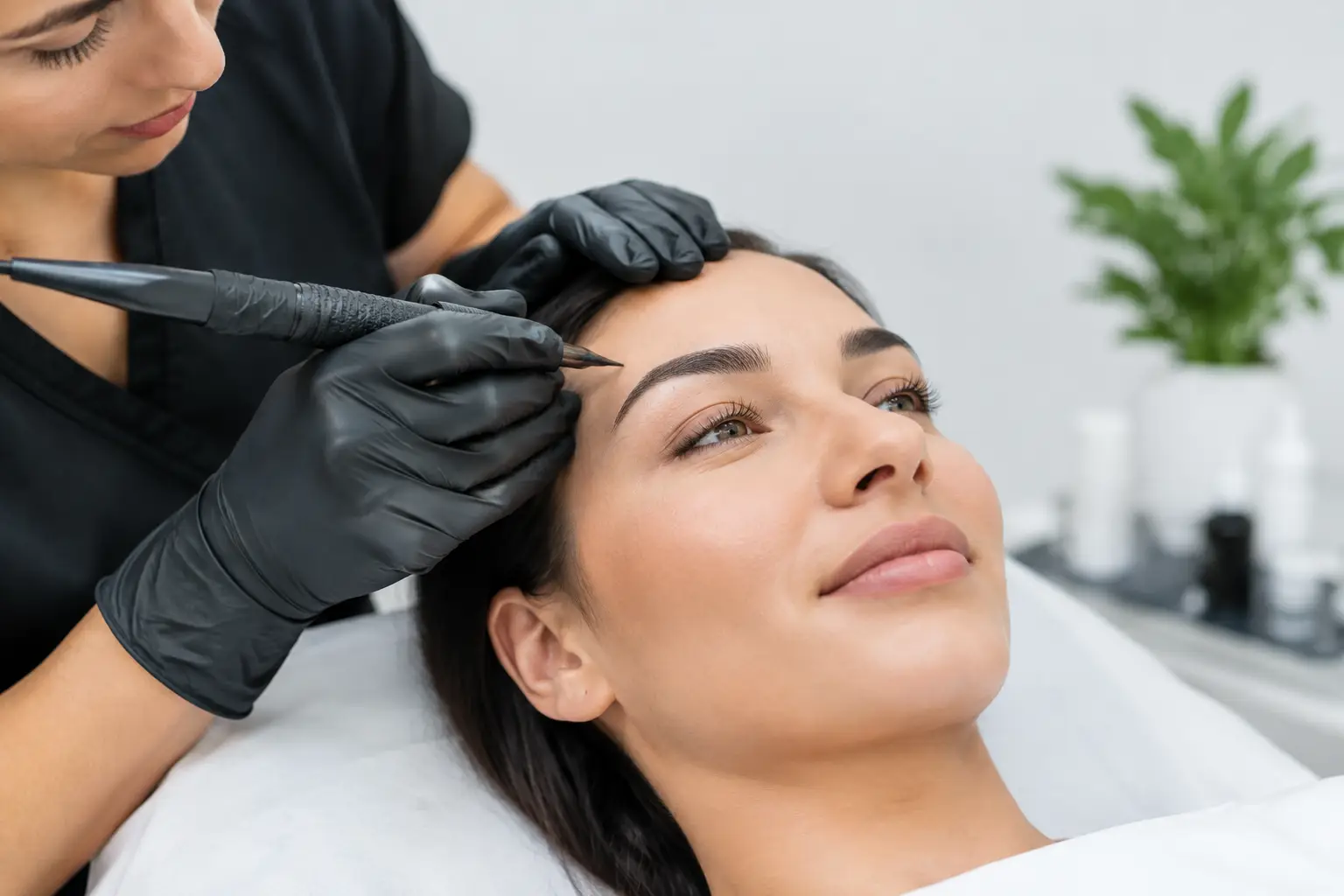
Medical or paramedical tattooing uses specialized techniques to improve the appearance of skin affected by surgery, scars, stretch marks, pigmentation loss, and hair loss. The word “innovation” can suggest a new device or a trend. In practice, the most valuable advances are often more thoughtful: better color theory, more realistic dimensional techniques, safer treatment planning, and a clearer understanding of how different skin types heal.
A skilled practitioner considers much more than the surface color of the skin. Undertones, scar texture, vascularity, elasticity, sun exposure, medical history, and Fitzpatrick skin type can all influence the treatment plan. Pigment selection must account for how color will settle and soften during healing, not merely how it looks on the day of the appointment.
This is why medical tattooing should feel different from a standard cosmetic tattoo appointment. The goal is not to place pigment quickly. The goal is to create a result that belongs naturally to the client’s body.
Medical tattooing innovations changing restorative care
More lifelike 3D areola and nipple tattooing
For clients who have undergone mastectomy, breast reconstruction, reduction, augmentation, or revision surgery, 3D areola tattooing can restore the visual detail that completes the breast. Advanced techniques use carefully layered tones, highlights, shadows, and subtle texture to create an optical sense of projection on a flat surface.
The strongest results are rarely built from a single color. Natural areolas contain variation in tone and edge definition, and each side may not be perfectly identical. A realistic approach respects that. It may involve custom-blending pigment to complement the client’s skin tone, existing areola, surgical outcome, and personal preferences.
Timing matters. Skin should be fully healed and medically cleared before treatment begins. Some clients need more than one session to build color gradually, especially when working with reconstructed tissue or skin that has received radiation. The trade-off is patience, but gradual work can support a more refined and believable outcome.
Scar camouflage with a skin-first approach
Scar camouflage has moved well beyond the idea of matching one beige pigment to every client. Today’s approach is more individualized, with layered pigment choices designed to reduce the visual contrast between a stable scar and surrounding skin.
Not every scar is ready for tattooing, and not every scar is a candidate for camouflage. Raised, active, unstable, recently formed, or medically complicated scars need careful assessment. Texture cannot be erased with pigment, and color may heal differently on scar tissue than on unaffected skin. An ethical practitioner explains those limits clearly before moving forward.
When appropriate, camouflage can soften the appearance of scars from surgery, injury, burns, or procedures such as a tummy tuck, breast surgery, or joint replacement. The treatment is especially impactful when a scar has become a daily visual reminder of something a client has already worked hard to move through.
Inkless treatment for texture-focused concerns
Some scars and stretch marks are less about color and more about texture. Inkless tattooing uses controlled needling without depositing traditional pigment, often paired with a topical serum selected for the treatment protocol. The purpose is to support the skin’s natural repair response and improve the appearance of texture over a series of appointments.
Results vary based on the age of the marks, skin quality, location, and the individual healing response. It is not a replacement for medical care, and it does not make stretch marks or scars disappear. Still, for the right candidate, it can be a valuable option when camouflage pigment alone would not address the concern.
Scalp micropigmentation with softer hairline design
Hair loss can change the way a person sees their face, whether it is caused by genetics, hormonal changes, autoimmune conditions, surgery, or a previous transplant. Scalp micropigmentation places tiny pigment impressions to recreate the appearance of hair follicles, add density through thinning areas, or reduce contrast along scars.
Modern scalp micropigmentation is defined by restraint. A hairline that is too dark, too sharp, or too low may look artificial as the client ages. The best design considers facial structure, existing hair color, pattern of loss, and the likelihood that hair density may change over time.
For clients with longer hair, the goal may be the look of fuller coverage rather than a shaved-head effect. For clients with transplant scars, treatment may help the scar blend more naturally into the scalp. In either case, the work is built through sessions so the density can be assessed gradually rather than forced in one appointment.
Precision begins long before pigment is placed
The most meaningful innovation in restorative pigmentation may be a more disciplined consultation process. Before treatment, a practitioner should review the area in person or virtually, discuss goals, assess skin condition, and ask about relevant medical history, medications, allergies, and healing concerns.
At Fancy Shmancy, that planning process is central to the experience. Treatment begins with listening: what feels unfinished, what the client hopes to see, and what a realistic result can offer. From there, the approach can be tailored around anatomy, skin tone, lifestyle, and the individual pace of healing.
For surgical clients, collaboration matters. A plastic surgeon or medical provider may offer guidance on when tissue is ready, particularly after reconstruction, radiation, or revision surgery. That added coordination helps protect the client’s health while setting appropriate expectations for pigment retention and final appearance.
Clean technique, appropriate equipment, and detailed aftercare are just as essential as artistic ability. Healing instructions often include keeping the area clean, avoiding friction and excessive moisture, limiting sun exposure, and allowing the skin to recover without picking or scratching. These details affect how pigment settles and how evenly the work heals.
Why personalization matters across skin tones
Medical tattooing has historically been discussed through too narrow a lens, particularly when it comes to pigment matching on deeper skin tones. A technically sound treatment plan must account for the skin’s visible color as well as its undertone and the way it may respond to trauma or inflammation.
For some clients, a lighter scar may need warmth or depth to blend more naturally. For others, a darker mark may require a different strategy entirely. Adding pigment without understanding color correction can make contrast more noticeable rather than less noticeable.
This is where knowledge of Fitzpatrick skin types and real-world experience with diverse complexions are critical. There is no universal pigment formula and no promise that one session will suit every body. A careful specialist uses test areas when appropriate, builds color conservatively, and makes room for adjustment after healing.
Choosing a practitioner for restorative pigmentation
Medical tattooing sits at the intersection of aesthetics and personal healing, so credentials and communication deserve close attention. Look for a practitioner with specific experience in the procedure you are considering, a clean professional environment, a portfolio that reflects natural results across different skin tones, and a willingness to explain limitations without pressure.
Ask how they assess scar maturity, how they choose pigment, whether multiple sessions may be needed, and what aftercare support is available. If you are recovering from surgery or medical treatment, ask when provider clearance is recommended. You deserve answers that are specific to your body, not a generic sales script.
The right treatment does not need to make you look like someone else. It should help you recognize yourself with greater ease. When medical tattooing is planned with sensitivity, technical precision, and respect for the healing process, it can honor what you have been through while making space for how you want to feel next.
Author: Liana Reznik