When Can You Tattoo Scars? Safe Timing Guide
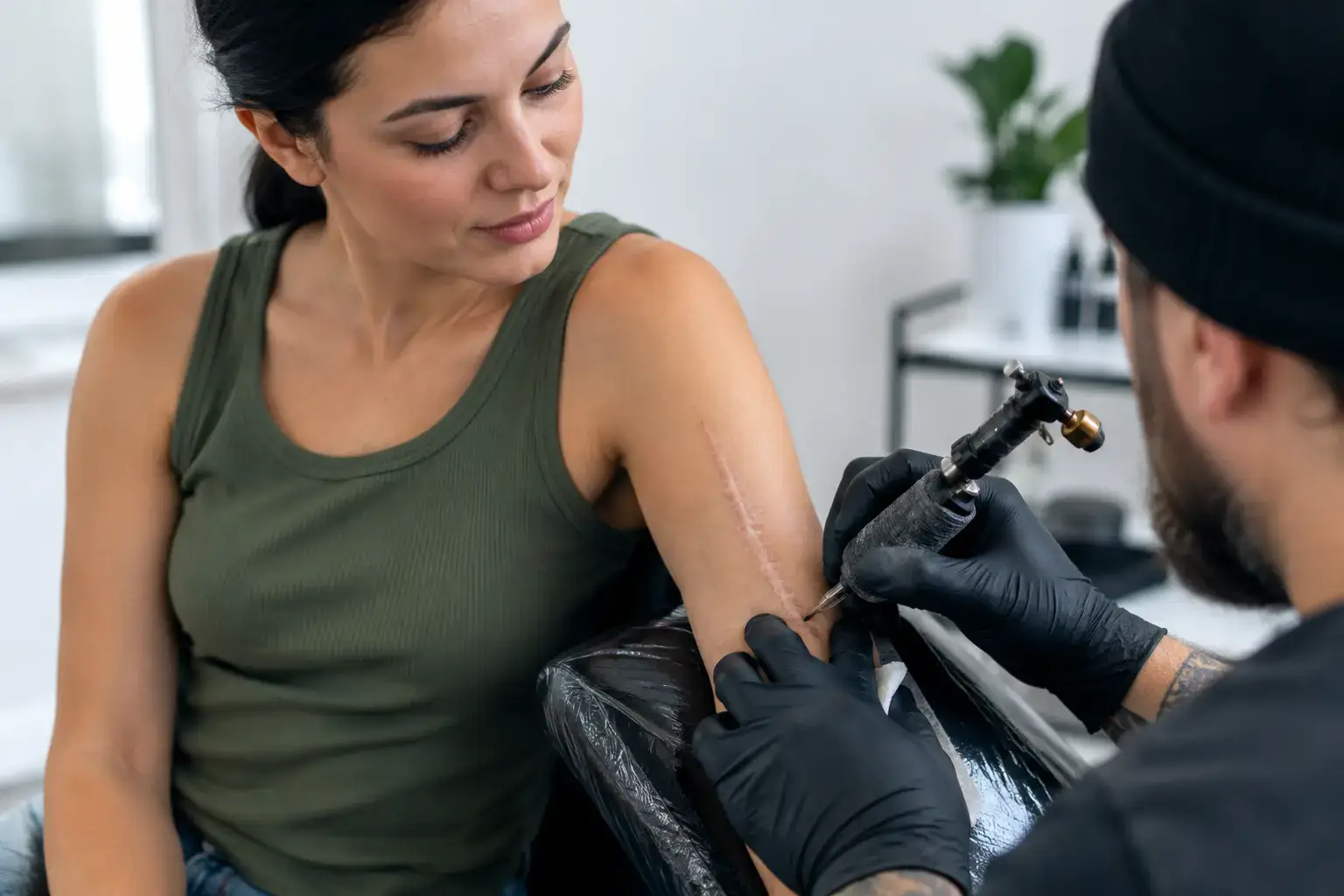
When can you tattoo scars? Usually, not as soon as the incision closes or the scab disappears. A scar may look healed on the surface while deeper tissue is still changing. For scar camouflage, 3D areola tattooing, or restorative medical pigmentation, waiting for true scar maturity protects both your skin and the quality of your result.
The right timing is personal. Your procedure, healing history, scar behavior, skin tone, medications, and medical provider’s guidance all matter. A thoughtful consultation is where that answer begins.
When Can You Tattoo Scars Safely?
For many clients, scars need at least 6 to 12 months of healing before they are evaluated for tattooing. Some scars need 12 to 18 months, or longer. A mature scar is typically flat or close to flat, stable in color, fully closed, and no longer tender, itchy, or actively changing.
This is not a calendar rule alone. Two scars from the same surgery can heal very differently. One may settle beautifully within months, while another remains red, raised, tight, or sensitive well beyond the first year. Tattooing a scar before it is ready can lead to uneven pigment retention, additional irritation, unpredictable color healing, or a result that changes as the scar continues to remodel.
For clients considering 3D areola and nipple tattooing after mastectomy or breast reconstruction, surgeon clearance is especially valuable. Reconstruction, radiation, implants, flap procedures, and revisions each affect healing timelines. The skin should be fully recovered, with no open areas, infection, drainage, or planned near-term surgery.
What a Mature Scar Looks and Feels Like
A scar does not need to disappear before camouflage is possible. In fact, the goal of paramedical tattooing is not to erase a scar or promise perfectly untouched skin. It is to reduce visual contrast, restore the appearance of color continuity, or create a realistic focal point that helps the area feel more like your own.
Before pigment is considered, a specialist will look for signs that the scar has settled. The surface should be intact, not flaky or weeping, with no scabbing. Color should be relatively stable rather than bright red, purple, or inflamed. The tissue should not be hot, painful, intensely itchy, or rapidly changing in texture.
Flexibility matters, too. Some scars create tightness or pull differently as the body moves. This can influence pigment placement and whether camouflage is the right option. In some cases, multiple smaller sessions with conservative layering are more appropriate than trying to achieve full coverage in one appointment.
Scar Type Changes the Answer
Not every scar should be tattooed, and not every scar responds to pigment in the same way. A careful assessment is part of responsible treatment planning.
Flat surgical scars, mature breast surgery scars, and some injury scars can be excellent candidates for scar camouflage or restorative pigmentation once fully healed. Stretch marks may also be treated when they are stable and no longer actively changing. Treatments may include skin-tone camouflage or inkless tattooing, depending on the condition of the skin and the desired outcome.
Raised hypertrophic scars require more caution. They stay within the original wound area but may be thick, firm, or uneven. Pigment can heal inconsistently in this tissue, so a test area and realistic expectations are particularly helpful.
Keloid scars deserve a different conversation. Because keloids grow beyond the original wound and can be triggered by skin trauma, tattooing may not be advised. Anyone with a personal or family history of keloids should discuss the risk with a dermatologist, plastic surgeon, or treating physician before moving forward.
Scar camouflage should also be postponed if there is active acne, eczema, psoriasis, dermatitis, infection, sunburn, or unexplained irritation in the treatment area. Healthy skin gives us the best foundation for natural-looking healed color.
Why Color Matching Requires Patience
Scar tissue is not the same as surrounding skin. It may be thinner, denser, less elastic, or less able to hold pigment evenly. Blood supply and oil production can differ, and the scar may absorb color unexpectedly. That is why a skilled practitioner builds color gradually rather than rushing toward an overly light or overly dark match.
Your Fitzpatrick skin type, natural undertone, sun exposure, and the color of the scar itself all guide pigment selection. Skin-tone camouflage is not simply choosing a beige ink. It involves reading warmth, coolness, depth, translucency, and the way the surrounding skin changes across the body.
A fresh scar may still be pink or red because it is actively vascular. Adding pigment too early does not neutralize that healing process. It can complicate the final appearance. Waiting allows the scar’s natural color to settle so the pigment plan can be more precise.
Even with excellent planning, healed pigment can look softer or slightly different than it does immediately after treatment. Scar tissue may retain color patchily, and touch-ups are common. This is not a failure. It is part of working respectfully with living, healing skin.
Medical History Matters Before You Book
A complete consultation should include more than a look at the scar. Share the details of the surgery or injury, the date of the procedure, prior scar treatments, allergies, and any history of unusual wound healing. Your practitioner also needs to know about medications and health conditions that affect bleeding, immunity, healing, or pigment retention.
If you are undergoing cancer treatment, have recently completed radiation, are managing diabetes, take blood thinners, use immune-suppressing medication, or have had a recent procedure in the area, seek medical clearance before scheduling. The same applies if your surgeon anticipates a revision or additional reconstruction. It is better to wait than to compromise your healing journey.
Do not stop prescribed medication simply to receive a tattoo. Any medication decision belongs with your prescribing provider.
Your Consultation Should Feel Thorough, Not Rushed
The most reassuring answer to when can you tattoo scars comes from an in-person or virtual consultation with a practitioner experienced in medical pigmentation. You should feel comfortable asking whether your scar is ready, what improvement is realistic, how many sessions may be needed, and what the area may look like during healing.
At Fancy Shmancy, treatment planning considers your scar’s maturity, location, texture, skin tone, and personal goals before a pigment plan is created. For some clients, the best next step is camouflage. For others, it may be inkless tattooing, continued scar care, or simply more time.
A patch test may be recommended, particularly for sensitive skin, prior reactions, or areas where color behavior is difficult to predict. This small step can offer valuable information before a larger treatment.
How to Prepare Once Your Scar Is Ready
Once you have been cleared for treatment, follow your pre-care instructions closely. Arrive with the area clean and free of self-tanner, heavy lotions, or irritating products unless you have been told otherwise. Protect the area from sun exposure, because a tan changes the shade we need to match and can make skin more reactive.
Aftercare is just as significant as the appointment itself. Keep the area clean, avoid picking or exfoliating, and give the skin time to heal without friction, swimming, or unnecessary heat exposure. Your practitioner will provide specific instructions based on the treatment area and technique used.
The decision to tattoo a scar is often about more than pigment. It can be a meaningful step after surgery, injury, or a long period of feeling disconnected from a part of your body. Give that decision the time, expertise, and care it deserves. When the skin is ready and the plan is tailored to you, restorative tattooing can help you see yourself with greater comfort and confidence.
Author: Liana Reznik