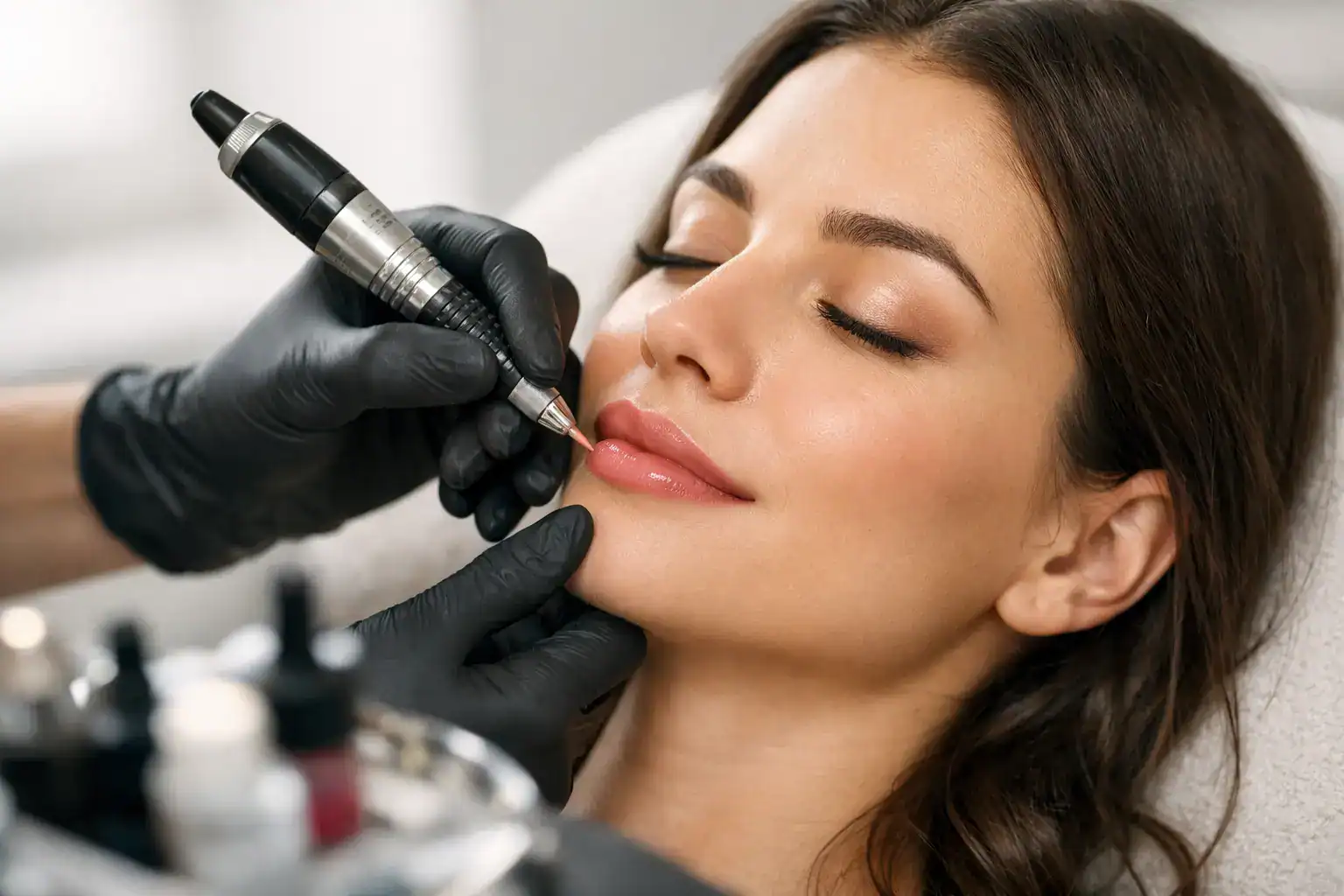
Lip Blush for Natural Color and Lasting Confidence
A favorite lipstick can pull an entire look together, but reapplying it after coffee, lunch, or a long day is not always realistic. Lip blush offers a softer alternative: customized, cosmetic pigmentation that restores the appearance of healthy color and definition without making lips look heavily lined or “done.” When performed with skill, it should look like your lips on their best day.
For many clients, the appeal is not about creating a dramatically different mouth. It is about waking up with a more even lip tone, a clearer border, and color that helps the face feel balanced. At Fancy Shmancy, every treatment begins with the understanding that lips are highly personal. The right result respects your natural features, skin tone, comfort level, and goals.
What Is Lip Blush?
Lip blush is a form of permanent makeup in which pigment is carefully implanted into the lips using a specialized tattoo device and fine needles. The technique creates a sheer wash of color rather than the opaque finish of traditional lipstick. It can add warmth to pale lips, soften the look of uneven borders, and improve the appearance of discoloration or loss of definition that can happen with age.
Despite the name, it is not one preset pink shade. A professional lip blush treatment is tailored to the individual. Pigment selection takes into account your natural lip color, undertone, surrounding skin, and the result you want once the color has healed. The treatment can be barely there, softly rosy, peach-toned, berry-inspired, or designed to neutralize cool or dark tones before a final color is layered in.
The goal is enhancement, not a permanent lipstick effect. Some clients want a polished, neutral tint they can wear alone. Others want a better canvas for the lipstick or gloss they already love. Both are valid goals, and the treatment plan should reflect that difference.
Who Can Benefit From Lip Blush?
Lip blush can be an excellent option for adults who feel their lips have lost color, appear uneven, or blend into the skin around the mouth. It is especially appealing for people who want to look refreshed with minimal daily makeup, including clients with busy schedules, mature skin, or sensitivities to conventional lip products.
It may also help create visual harmony when the vermilion border, the natural edge of the lip, has become less distinct. This happens naturally over time for many people. Strategic shading can restore the impression of shape without drawing a harsh outline.
Color correction is another reason clients seek this service. Some lips have naturally cool, grayish, purple, or uneven areas, particularly in deeper Fitzpatrick skin types. In these cases, the first session may focus on neutralization rather than the final desired shade. A warm corrector is selected to shift the healed tone gradually and safely. This is a process, not a shortcut, and multiple sessions may be needed for an even, beautiful result.
Lip blush is not right for every person at every time. Active cold sores, open skin, infection, significant lip irritation, and certain medical conditions can require postponing treatment or receiving medical clearance. Anyone with a history of cold sores should discuss antiviral prophylaxis with their prescribing medical provider before an appointment. A careful consultation protects both the quality of the result and your well-being.
The Consultation Shapes the Result
The most natural-looking outcomes are planned long before pigment touches the skin. During a consultation, your artist should review your health history, prior lip procedures, allergies, medications, history of cold sores, and realistic expectations. Photos of lip colors you enjoy can be useful, but healed results are always more important than copying a color seen on another person.
Lip tissue heals differently from the skin on the face. Hydration, natural undertones, melanin levels, existing scar tissue, and lifestyle factors can all influence color retention. A knowledgeable provider evaluates these details and explains what is achievable for your lips specifically.
This conversation should also make room for honesty. A deeply pigmented lip may not heal to a pale nude in one appointment. Very pale lips may retain color differently than naturally rosy lips. Clients who frequently receive lip filler should plan their cosmetic tattooing around injections and allow adequate healing time. Precision means knowing when to adjust the plan, not forcing every client into the same technique.
What Happens During a Lip Blush Appointment?
The appointment begins with mapping and discussing the intended shape. Small adjustments may be made to improve symmetry, but the design should remain true to your natural anatomy. An exaggerated border can look less refined as the pigment heals and fades, so a conservative, thoughtful approach is usually the most flattering.
After topical numbing is applied, pigment is layered gradually throughout the lips. The artist watches for saturation, swelling, and how the tissue is receiving color, making adjustments as needed. Most clients describe the sensation as manageable, especially with proper numbing, though comfort levels vary.
Fresh lip blush often looks brighter and deeper than its final result. Swelling can also make the lips appear temporarily fuller. This early appearance is not the outcome. As the lips heal, color softens significantly and settles into a more translucent, natural finish.
A touch-up appointment is commonly part of the process. It allows the artist to assess healed retention, reinforce areas that faded unevenly, and refine the tone. Skipping this step can leave a result less balanced than intended, particularly for color correction or clients whose lips heal unpredictably.
Healing Requires Patience and Good Aftercare
Your aftercare plan is part of the treatment, not an afterthought. In the first days, lips can feel tender, dry, and tight. They may lightly flake as the surface heals. Picking, rubbing, or prematurely removing flakes can disturb pigment and create patchy retention.
Clients are typically advised to keep lips clean, use only the recommended aftercare product, and avoid makeup directly on the area while it is healing. Hot, steamy environments, swimming, intense exercise, sun exposure, and spicy or highly acidic foods may also need to be avoided temporarily. Your provider will give instructions based on your specific treatment and healing needs.
There is often a stage when the color appears to fade dramatically before it returns and settles. This can feel disappointing if you are expecting immediate, finished-looking color. It is a normal part of healing for many clients. Trust the timeline provided by your artist and wait until the lips are fully healed before judging the result.
How Long Does Lip Blush Last?
Lip blush is considered permanent makeup, but it is not permanent in the way a traditional body tattoo is. The color gradually fades over time, often lasting one to three years before a color refresh is desired. Retention depends on pigment choice, skin and lip characteristics, sun exposure, skincare habits, smoking, immune response, and how closely aftercare instructions are followed.
A softer, more natural treatment generally fades more gracefully than a dense or overworked application. That is one reason an expert will prioritize controlled layering and healthy skin over trying to create maximum color in one visit. A refresh can restore brightness later without sacrificing the delicate finish that makes lip blush so appealing.
Choosing a Lip Blush Artist Matters
Lips are a sensitive area, and the quality of the work is visible every time you smile. Your provider should have thorough permanent makeup training, strong healed-work examples, rigorous sanitation standards, and a clear understanding of color theory across diverse skin tones. For clients with uneven pigmentation, prior procedures, scarring, or deeper natural lip tones, advanced experience is especially valuable.
Do not choose solely by a before-and-after photo taken immediately after a procedure. Ask about healed results, touch-up expectations, pre-care, aftercare, and how the artist approaches color correction. A transparent answer is a sign of professionalism. You deserve to understand the process before making a decision about your face.
Beautiful lip blush should never announce itself before you do. It should give you the quiet confidence of looking rested, polished, and unmistakably like yourself – whether you leave the house bare-faced or add your favorite gloss on top.
Author: Liana Reznik