How to Reduce Lip Blush Swelling Safely at Home
Your lips can look more dramatic than expected on the first morning after a lip blush appointment. That initial fullness can be startling, especially when you chose a soft, natural enhancement. Knowing how to reduce lip blush swelling safely helps you stay comfortable without interfering with the pigment’s healing process.
Swelling is a normal inflammatory response to tiny, controlled skin openings created during permanent makeup. It usually peaks within the first 24 to 48 hours, then settles quickly. The goal is not to force it away overnight. It is to support calm, clean healing while knowing when a reaction deserves professional attention.
What Normal Lip Blush Swelling Looks Like
Immediately after treatment, lips commonly appear puffy, bright, and more defined than the healed result will be. Some clients experience mild tenderness, tightness, or a warm sensation. This can be more noticeable after a longer session, color correction, work on mature skin, or treatment of lips that were already dry or sensitive.
For most clients, significant swelling improves by the next day and continues to decrease over two to three days. The color will also soften substantially as the lips heal. What looks intense on day one is not a preview of your final color.
Healing is individual. Your skin sensitivity, hydration, immune response, sleep, stress level, and history of cold sores can all affect how your lips respond. A thoughtful consultation and detailed pre-care matter because they allow your artist to plan around those variables.
How to Reduce Lip Blush Swelling Without Disrupting Healing
The simplest aftercare is often the most effective. Follow the instructions provided by your permanent makeup artist first, since your treatment plan, pigment selection, and skin condition should guide your care.
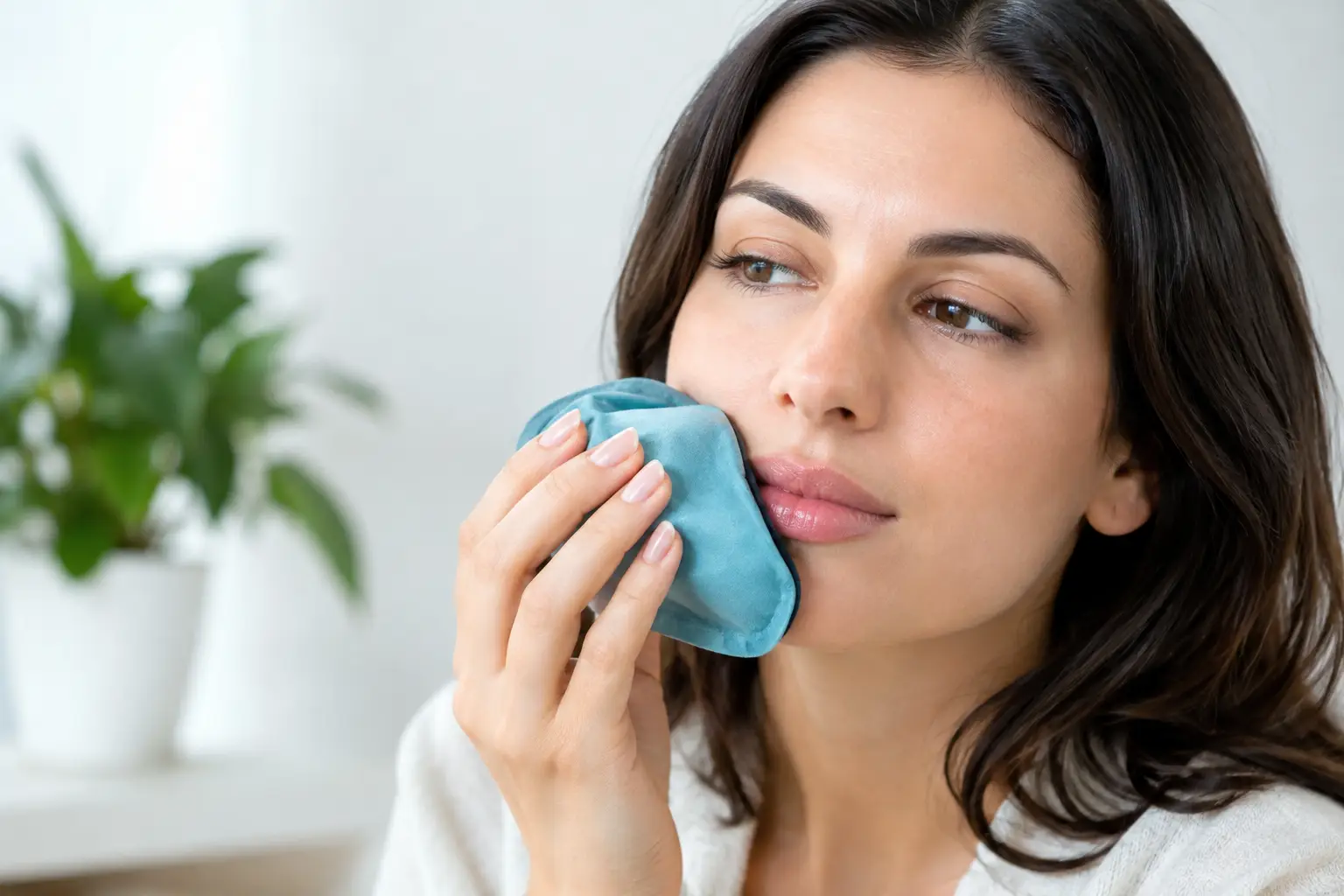
Use a clean, cool compress
A cool compress can ease puffiness and tenderness during the first day. Use a clean, soft cloth lightly chilled with cool water, or wrap a cold pack in a clean barrier. Rest it gently against the outside of the lips for short intervals, such as five to 10 minutes at a time.
Do not put ice directly on treated lips. Extreme cold can irritate sensitive tissue and may leave the area uncomfortably numb. Pressure is not helpful either, so avoid pressing, rubbing, or massaging the lips while using a compress.
Sleep with your head elevated
The way you sleep can make a visible difference the morning after treatment. Use an extra pillow or sleep slightly elevated during the first night or two. This may help limit fluid buildup around the lips and can make early swelling feel less pronounced.
Try to avoid sleeping face-down. Friction against bedding, warmth, and pressure can aggravate freshly treated skin. A clean pillowcase is also a sensible precaution during the initial healing period.
Keep your body cool and hydrated
Drink water consistently and choose a quiet recovery day when possible. Hydration supports the body’s normal healing process, while overheating can make swelling feel worse. Skip hot yoga, strenuous workouts, saunas, steam rooms, hot tubs, and very hot showers for the timeframe your artist recommends.
Heat is not the only trigger. Alcohol, spicy foods, and very salty meals can leave some clients feeling more swollen or flushed. For the first 24 to 48 hours, cooler, gentler foods are usually more comfortable. Take small bites and avoid stretching your lips widely.
Use only approved aftercare products
Fresh lip blush needs a clean, protected environment, not a crowded skincare routine. Apply any aftercare ointment only if your artist has recommended it, and use a clean applicator or freshly washed hands. A very thin layer is generally preferable to over-applying product, which can trap moisture and make the lips feel overly soft.
Avoid exfoliants, retinoids, acids, fragranced lip products, plumping glosses, and makeup on or directly around the treated area until healing is complete. Do not pick at flakes or scabs. Let them release naturally so pigment retention is not compromised.
What to Avoid During the First Few Days
A short list of restrictions protects both your comfort and your color result:
- Do not kiss, rub, bite, or lick your lips excessively.
- Do not use straws if they make you purse or stretch your lips.
- Do not swim or submerge your face in pools, lakes, hot tubs, or baths.
- Do not schedule dental work, facials, or lip treatments during early healing.
- Do not try to speed healing with harsh home remedies or essential oils.
Medication deserves a more individualized approach. Some medications and supplements can affect bruising or bleeding, while others may be appropriate for your personal medical history. Never stop a prescribed medication for a cosmetic procedure without direction from your prescribing clinician. If you are considering an over-the-counter pain reliever, antihistamine, or other medication for swelling, check with your physician or pharmacist and follow the guidance given during your consultation.
Cold Sores Can Change the Aftercare Plan
Lip blush can trigger a cold sore outbreak in people with a history of oral herpes, even if the last outbreak was years ago. This is why an experienced artist asks about cold sores before treatment. Clients with a history may need preventive antiviral medication prescribed by their medical provider before and after their appointment.
A cold sore is not the same as routine swelling. Tingling, burning, clustered blisters, or a familiar outbreak pattern should be addressed promptly with your medical provider. Do not apply random medicated creams to fresh lip blush without professional advice, as some products can irritate the area or conflict with your aftercare plan.
When Swelling Is Not Typical
Most lip blush swelling is temporary and manageable. Still, you should contact your artist promptly if swelling is worsening rather than improving after the first couple of days, if one side becomes dramatically more swollen than the other, or if the lips feel increasingly hot and painful.
Seek urgent medical care for trouble breathing or swallowing, widespread hives, facial swelling beyond the treatment area, severe dizziness, or any signs of a serious allergic reaction. Increasing redness that spreads beyond the lips, pus-like drainage, fever, or escalating pain may also require medical evaluation.
It is always better to ask a question early than to wait and worry. A qualified permanent makeup professional can help you distinguish common healing changes from something that needs medical attention, but they should never replace a physician when symptoms are concerning.
Why Expert Technique and Pre-Care Matter
The best way to make recovery easier starts before pigment ever touches the skin. Lip blush is not a one-size-fits-all service. Lip anatomy, natural undertone, previous filler, skin sensitivity, medications, and Fitzpatrick skin type all influence treatment planning.
At Fancy Shmancy, each lip treatment is approached with careful assessment, precise technique, and individualized aftercare. The objective is refined color that heals beautifully, not an overly saturated or inflated look. When clients understand the normal stages of healing before their appointment, the first few puffy hours feel far less alarming.
Give your lips the same patience you gave yourself in choosing the right artist. Cool, clean care and a little time will usually bring them back to their soft, natural shape, ready for the confidence-building color to reveal itself.
Author: Liana Reznik