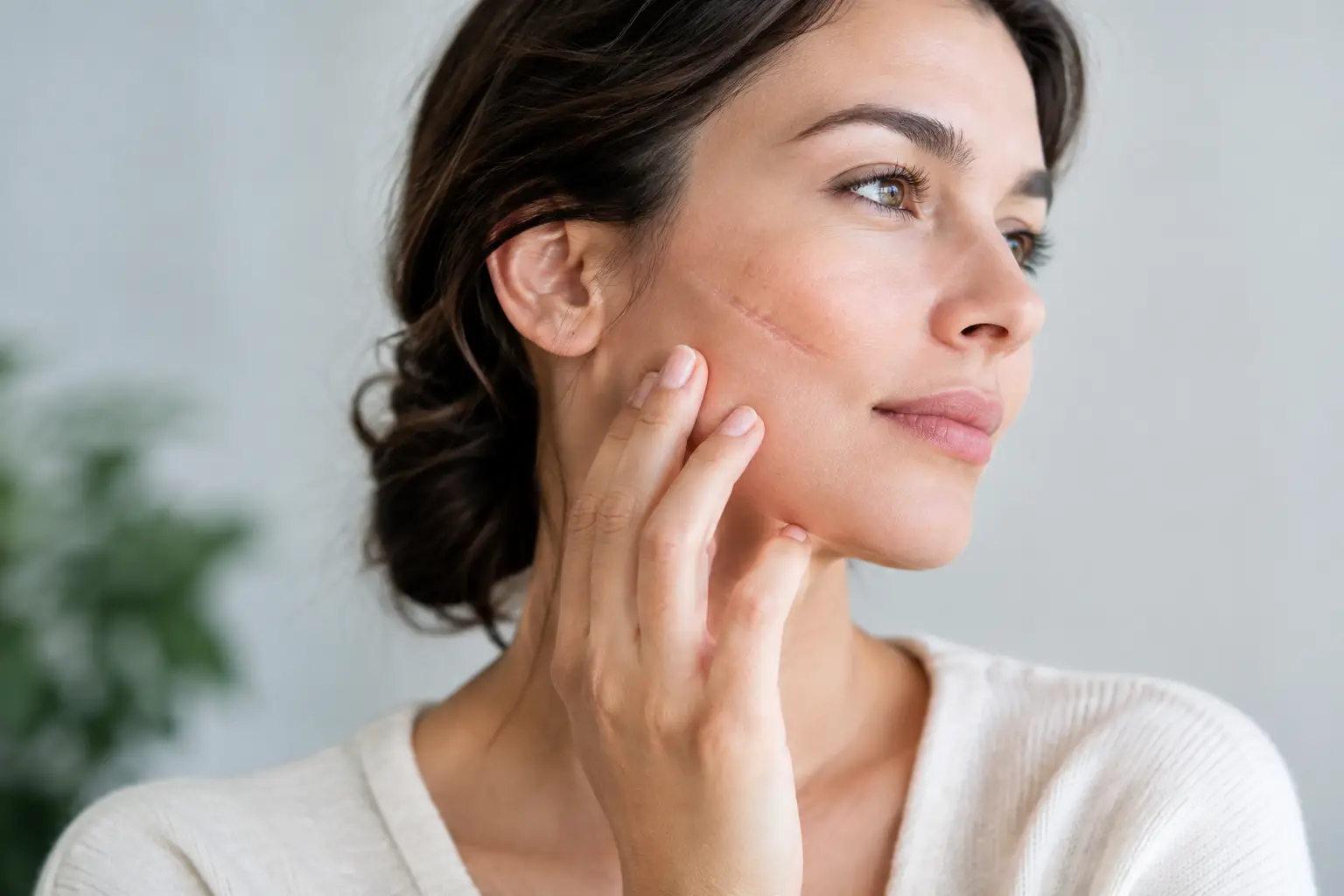
What Trauma Scar Restoration Can Restore
A scar can represent survival, recovery, and a chapter someone never expected to live through. It can also draw attention every time you look in the mirror, get dressed, or step into bright light. Trauma scar restoration is designed to address that visible contrast with thoughtful, personalized medical pigmentation, helping healed skin blend more naturally with the surrounding area.
This is not about erasing what happened or promising that scar tissue will become untouched skin. It is about restoring visual continuity where it is possible, honoring the body’s healing process, and giving clients more freedom to feel comfortable in their appearance.
What Is Trauma Scar Restoration?
Trauma scar restoration is a paramedical tattooing approach that uses carefully selected pigment to reduce the difference in color between a mature scar and the healthy skin around it. It may be appropriate for scars caused by accidents, burns, injuries, surgeries, skin grafts, or other physical trauma once the area has fully healed and stabilized.
The goal is often camouflage, not concealment in the traditional makeup sense. A skilled practitioner evaluates the scar’s color, depth, texture, location, and behavior before creating a custom pigment plan. Some scars appear pale or white against deeper skin tones. Others heal darker, redder, or unevenly pigmented. Each requires a different strategy.
At Fancy Shmancy, restorative pigmentation is treated as both a technical service and a deeply personal one. The work calls for artistic color theory, a strong understanding of skin anatomy, and sensitivity to the experience each client brings into the room.
A Scar Must Be Ready Before It Can Be Treated
Timing is one of the most important parts of the process. Medical pigmentation should not be performed on a fresh, open, inflamed, or unstable scar. In many cases, a scar needs at least 12 months to mature, though healing timelines vary significantly based on the injury, surgical history, skin type, medications, and individual recovery.
A mature scar is generally no longer changing rapidly in color, thickness, or sensitivity. It should be fully closed and free from infection, scabbing, or active irritation. Some scars need more time, especially after extensive trauma, burns, reconstructive surgery, or radiation treatment.
This is where a consultation matters. A responsible practitioner will assess whether the skin is ready, ask about your medical history, and recommend waiting when waiting serves the result. If you are under the care of a surgeon, dermatologist, or other medical provider, their input may be appropriate before moving forward.
What Medical Pigmentation Can and Cannot Change
When a scar is suited for treatment, pigmentation can make it less visually noticeable by reducing color contrast. This can be particularly meaningful for flat, pale scars; scars with lost pigment; and areas where the surrounding skin tone is relatively consistent.
Texture is different. Pigment does not flatten raised scar tissue, fill a depressed scar, remove adhesions, or change the underlying structure of the skin. If a scar is thick, keloid-prone, highly raised, or actively reactive, tattooing may not be appropriate. In other cases, clients may first pursue medical or aesthetic treatments intended to address texture, then consider camouflage once the area is stable.
Results also depend on the location. A scar on the upper arm or torso may respond differently than one on a joint, where friction and movement are constant. Areas exposed to frequent sun can shift in color over time, and skin itself naturally changes with seasons, tanning, aging, hormones, and weight fluctuations.
The most successful outcome is not a perfectly invisible scar. It is a softer transition that looks believable in real life, across different lighting, and against the natural variation of your skin.
The Consultation Is Where the Restoration Begins
No two scars heal alike, even when they come from the same procedure or type of injury. That is why an individualized consultation is essential for trauma scar restoration.
Your practitioner should examine the scar in person or through a detailed virtual consultation, discuss how long it has been healed, review relevant medical considerations, and talk openly about your goals. This conversation should also include realistic expectations, likely session needs, possible pigment changes during healing, and the aftercare required to protect the work.
Skin tone assessment is especially important. Understanding Fitzpatrick skin types and the skin’s underlying undertones helps guide pigment selection. The right color is rarely a single, ready-made shade. It is usually a custom blend designed to complement the surrounding skin rather than sit on top of it.
A patch test may be recommended for certain clients, especially those with a history of allergies, sensitivity, or complex skin behavior. If a practitioner rushes past these details, that is a reason to pause. Restorative tattooing should never feel like a one-size-fits-all appointment.
What the Treatment Process Feels Like
Once a treatment plan is approved, the skin is prepared with careful attention to cleanliness and comfort. Pigment is implanted gradually using specialized tattooing techniques. The process is precise and intentionally layered because scar tissue can accept pigment differently from healthy skin.
Some clients describe the sensation as mild scratching, vibration, or pressure. Sensitivity depends on the scar’s location and nerve recovery. An area that was once numb can become more sensitive over time, while another may remain less responsive. Your practitioner should check in throughout the appointment and adapt the approach when needed.
A single session may create a meaningful improvement, but multiple sessions are common. Scar tissue is unpredictable, and pigments often heal lighter or shift slightly as the skin settles. Building color in conservative layers is safer and usually produces a more natural result than trying to achieve full coverage in one appointment.
Healing and Aftercare Protect the Result
The first few weeks after treatment are part of the service, not an afterthought. The treated area may appear darker or warmer immediately after pigmentation, then soften as it heals. Following aftercare instructions closely helps support clean healing and more stable color retention.
Clients are commonly asked to keep the area clean, avoid picking or scratching, and limit friction while the skin recovers. Sun exposure deserves particular attention. UV light can alter the skin around the treated area and affect how the final camouflage blends, so diligent sun protection is essential after healing.
Avoiding pools, hot tubs, saunas, heavy sweating, and soaking during the initial healing period may also be recommended. Specific instructions should be based on the treatment area, your skin, and the technique used. Your practitioner should provide clear guidance before you leave and be available to address appropriate follow-up questions.
Choosing a Specialist for Scar Camouflage
Trauma-related scars deserve more than a generic cosmetic tattoo appointment. Look for a practitioner with dedicated paramedical pigmentation experience, strong hygiene protocols, a portfolio that includes healed results, and the confidence to say when a treatment is not the right next step.
It is also reasonable to ask about experience with scars similar to yours, including your skin tone and the location of the scar. Before-and-after images can be helpful, but remember that another person’s healing pattern is not a guarantee of yours. A credible provider will speak honestly about variables instead of offering absolute promises.
The right specialist combines precision with patience. They understand that a scar may carry physical, emotional, and medical history, and they create a private, respectful space where you do not have to explain why this matters.
Your body has already done extraordinary work to heal. When the time is right, a thoughtful consultation can help you decide whether restorative pigmentation is a meaningful next step toward seeing yourself with greater ease.
Author: Liana Reznik